


There’s something especially fun about celebrating Halloween in San Diego. Instead of bundling up for chilly fall weather, you can spend the day at the beach, visit a pumpkin patch in the afternoon, and head to a spooky Halloween event after the sun goes down.
From family-friendly trick-or-treating at San Diego’s biggest attractions to haunted trails, glowing nighttime celebrations, pumpkin patches, and seriously scary experiences for adults, there are plenty of ways to celebrate Halloween in San Diego.
If you’re visiting San Diego in October 2026, add these Halloween activities to your itinerary.
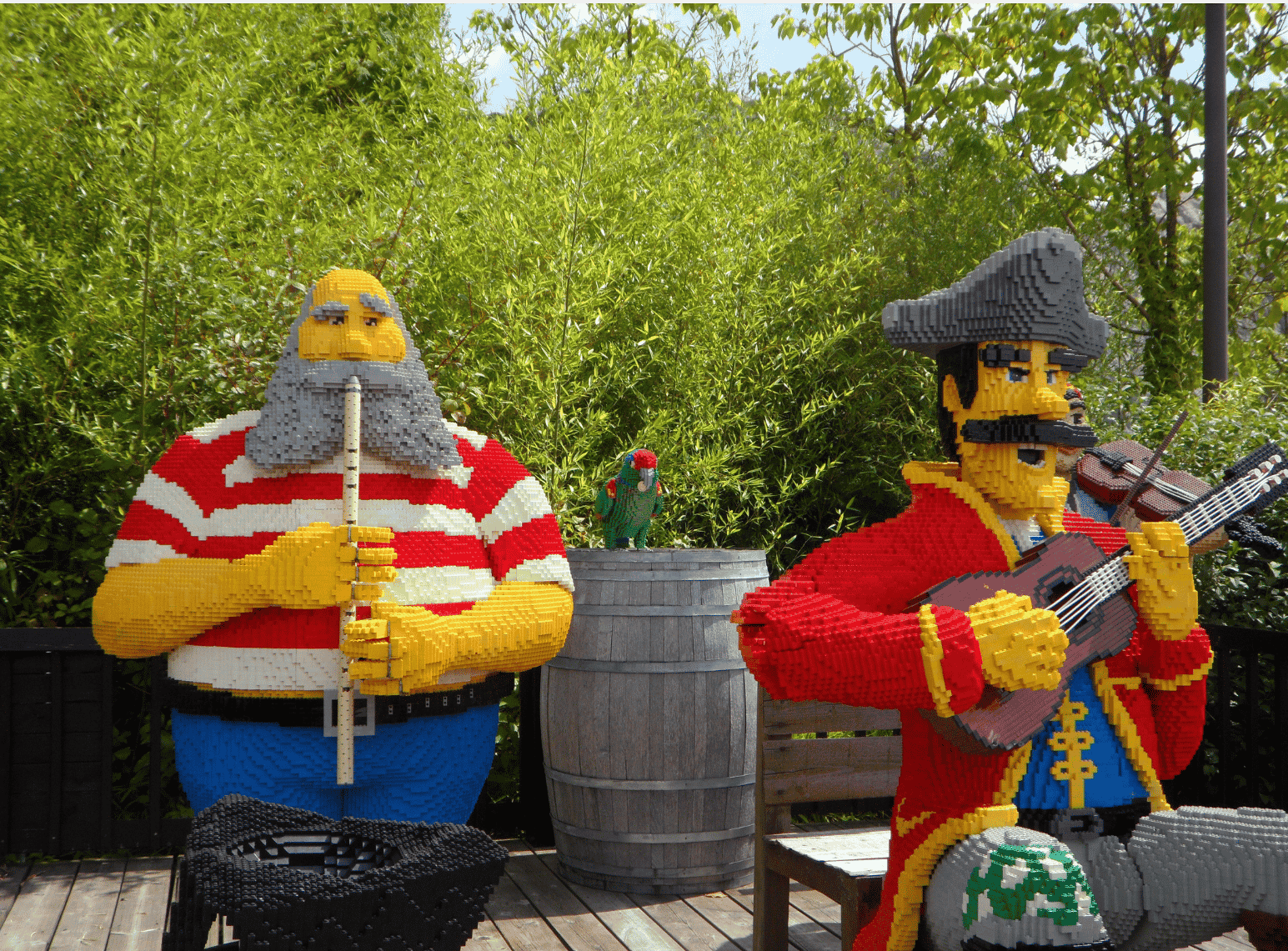
1. Celebrate Brick-or-Treat at LEGOLAND California
For families with younger kids, Brick-or-Treat at LEGOLAND California Resort is one of the best Halloween events in San Diego County.
Located in Carlsbad, LEGOLAND transforms for select dates from September 19 through November 1, 2026, with Halloween decorations, LEGO monsters, live entertainment, costume contests, photo opportunities, and plenty of candy.
Kids can dress in costume and make their way through trick-or-treat stations throughout the park while still enjoying their favorite LEGOLAND rides and attractions.
2026 dates: Select dates September 19–November 1
Location: Carlsbad
Best for: Families with young children
Haustay Tip: Make a weekend of it! Stay in one of our Carlsbad vacation rentals and spend another day exploring Carlsbad Village and the beach.
2. Experience HalGLOWeen at the San Diego Zoo
The San Diego Zoo gets a colorful Halloween makeover during its annual HalGLOWeen celebration.
Held on Fridays, Saturdays, and Sundays throughout October, HalGLOWeen begins at 5 p.m. and keeps the Zoo open until 9 p.m.
Expect glowing entertainment, live music, costumed characters, interactive activities, acrobatic performances and plenty of Halloween surprises throughout the evening.
Even better for families visiting San Diego in October: children ages 11 and younger receive free admission to the San Diego Zoo and Safari Park throughout the entire month when accompanied by an adult with valid admission.
When: Fridays, Saturdays and Sundays in October
Activities begin: 5 p.m.
Best for: Families and younger kids
3. Go Trick-or-Treating at SeaWorld Spooktacular
For Halloween fun without the big scares, head to SeaWorld San Diego’s Halloween Spooktacular.
The family-friendly celebration takes place Fridays through Sundays from September 11 through November 1, 2026.
Kids can come dressed in costume and enjoy trick-or-treat stations, a festive pumpkin patch, character encounters, dance parties, Halloween entertainment and seasonal photo opportunities.
New for 2026, SeaWorld is also debuting an all-new Baby Shark Halloween Show exclusively at SeaWorld San Diego.
The daytime Spooktacular festivities are included with regular park admission.
2026 dates: Fridays–Sundays, September 11–November 1
Location: Mission Bay
Best for: Families and younger children
4. Brave Howl-O-Scream at SeaWorld San Diego
Once the sun goes down, SeaWorld’s family-friendly Halloween celebration turns into something completely different.
Howl-O-Scream San Diego returns on select nights from September 11 through October 31, 2026, with haunted houses, scare zones, live entertainment, themed bars, hidden speakeasies and nighttime coaster rides.
Among the 2026 haunted attractions is an all-new I Know What You Did Last Summer: The Final Catch haunted house.
Unlike SeaWorld Spooktacular, Howl-O-Scream is designed as an intense Halloween experience and isn’t intended for young children. It also requires a separate event ticket.
2026 dates: Select nights September 11–October 31
Event begins: 7 p.m., with ticket holders able to enter beginning at 6 p.m.
Best for: Adults and older teens who love a good scare
5. Walk the Haunted Trail of Balboa Park
Ready for something genuinely scary?
The Haunted Trail of Balboa Park returns September 25 through November 1, 2026.
This longtime San Diego Halloween tradition combines two haunted experiences: a 3,500-square-foot Experiment Maze followed by a mile-long Haunted Trail winding through the trees of Balboa Park’s historic Marston Point.
The outdoor setting makes this one particularly creepy after dark.
2026 dates: September 25–November 1
Location: Balboa Park
Best for: Adults, teens and horror fans
Haustay Tip: This is one of San Diego’s most popular Halloween attractions, so purchasing tickets ahead of time is a good idea, particularly for October weekends.
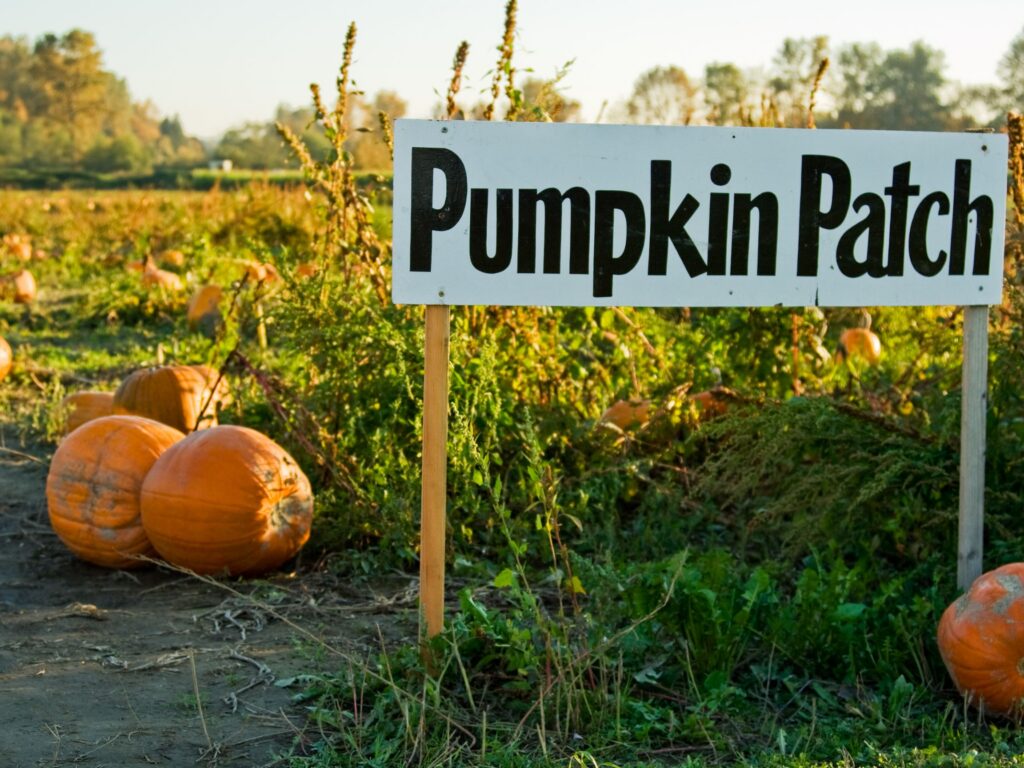
6. Visit a San Diego Pumpkin Patch
It wouldn’t be fall without pumpkins, even when it’s 75 degrees and sunny outside.
San Diego County has plenty of pumpkin patches where you can pick out the perfect pumpkin, snap fall family photos and enjoy classic seasonal activities.
If you’re staying with Haustay in North County, you don’t have to travel far.
Carlsbad offers seasonal pumpkin fun, including Pumpkin Palooza, which runs September 12 through October 31, 2026. The area also offers plenty of fall activities that make it easy to combine pumpkin picking with a day at the beach or dinner in Carlsbad Village.
Bring the kids, pick your pumpkins and take them back to your vacation rental for an evening of pumpkin carving.
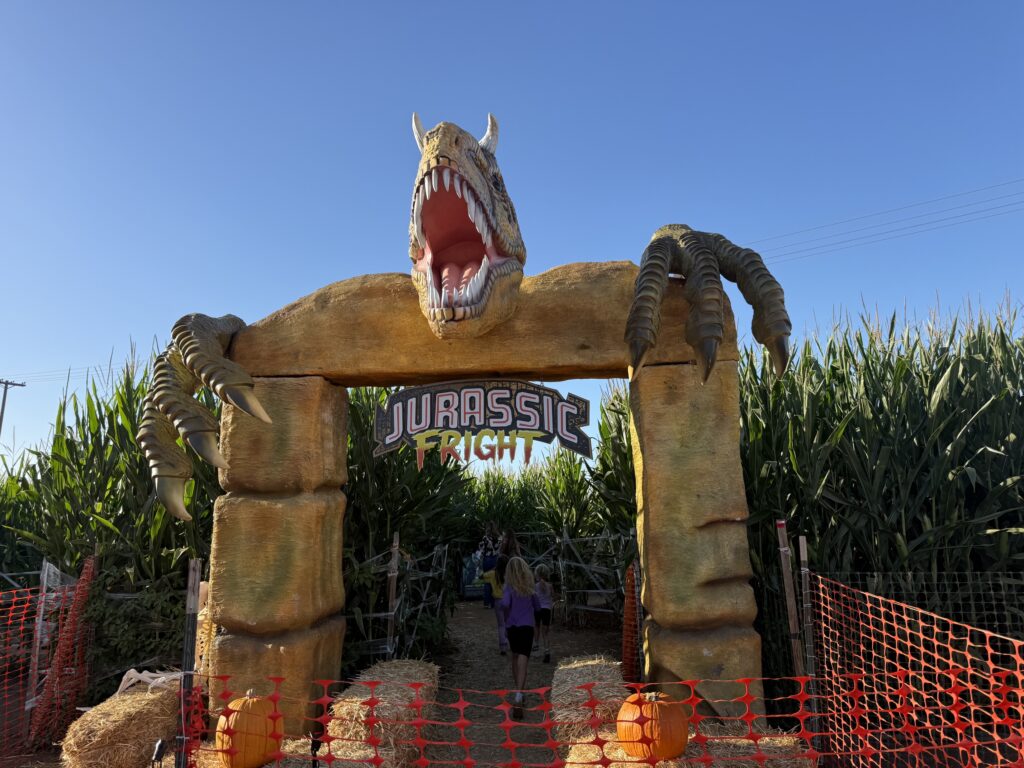
7. Get Spooked at Jurassic Fright in Carlsbad
For something a little different, head to the Carlsbad Strawberry Company for Jurassic Fright.
Running from September 18 through November 8, 2026, this seasonal Carlsbad attraction adds some prehistoric thrills to Halloween season.
It’s also conveniently located for guests staying in one of our Carlsbad or Oceanside vacation rentals, making it an easy addition to a North County San Diego Halloween getaway.
2026 dates: September 18–November 8
Location: Carlsbad
Best for: Families and visitors looking for Halloween fun in North County
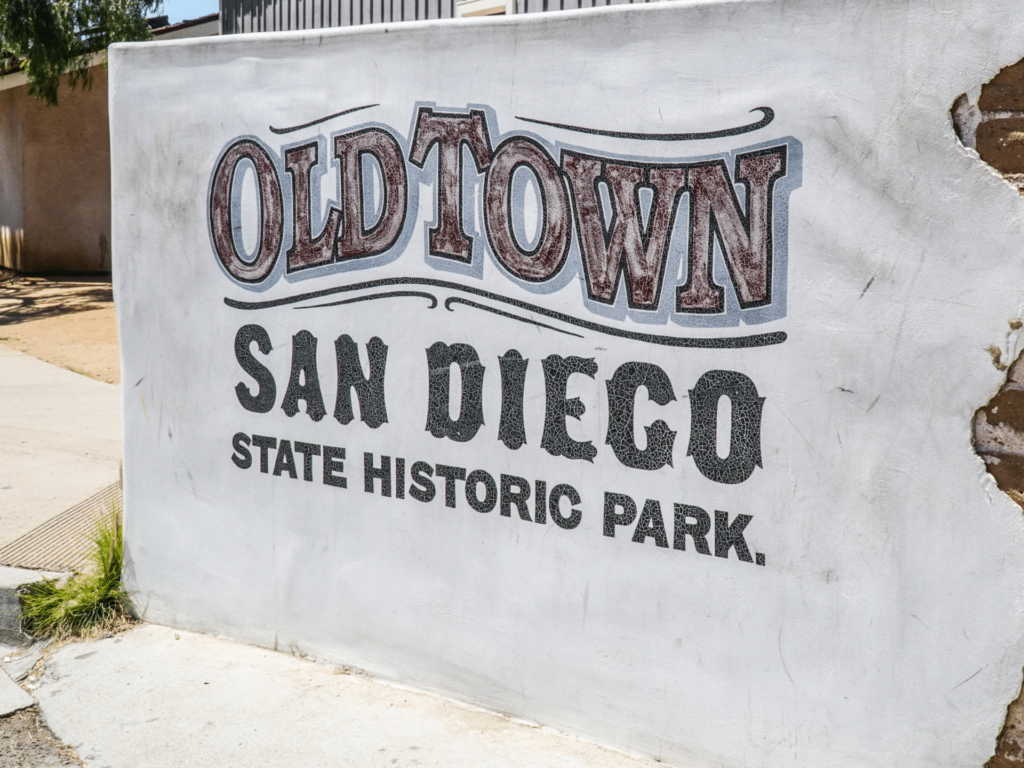
8. Explore San Diego’s Haunted History
Halloween is the perfect excuse to discover the darker side of San Diego history.
One of the most famous places to start is Old Town San Diego, an area filled with historic buildings, old cemeteries and plenty of local ghost stories.
The legendary Whaley House has long been associated with tales of paranormal activity and is one of San Diego’s most famous historic attractions.
Spend an evening exploring Old Town, take a ghost-themed tour, and finish the night with dinner and margaritas at one of the neighborhood’s Mexican restaurants.
It’s a fun Halloween activity for couples, groups of friends and families with older children who prefer ghost stories to haunted-house jump scares.
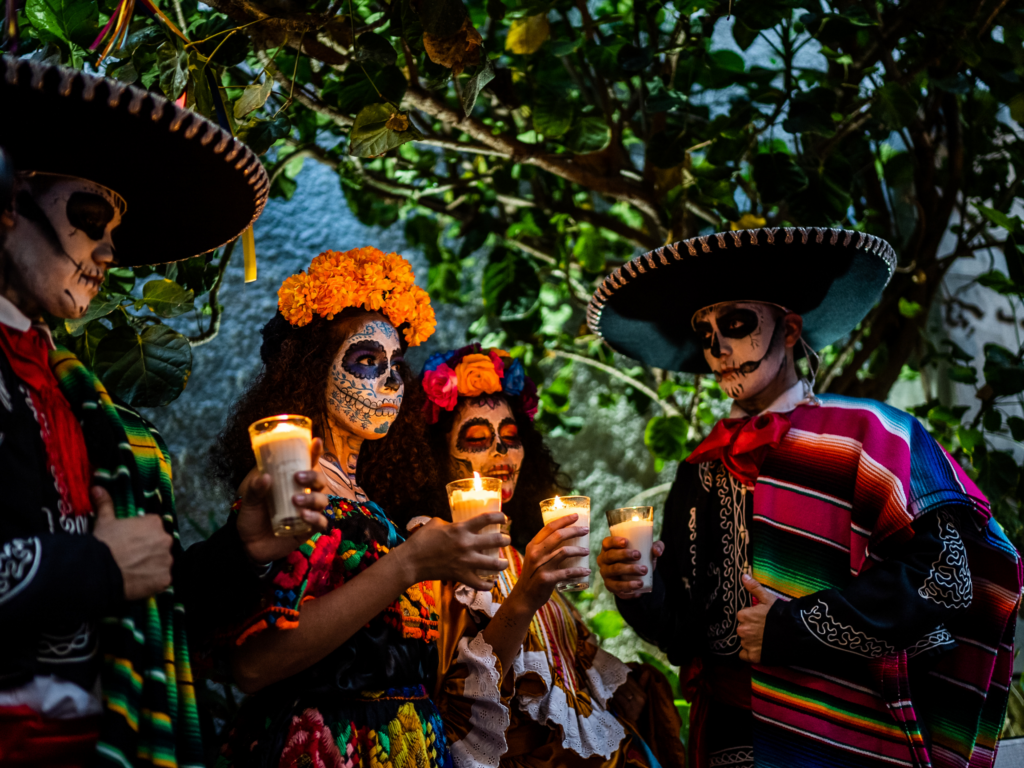
9. Celebrate Día de los Muertos
Halloween season in San Diego also overlaps with beautiful Día de los Muertos celebrations held throughout the region.
The Mexican holiday honors loved ones who have passed through colorful altars, marigolds, music, art, food and community gatherings.
SeaWorld San Diego will incorporate Día de los Muertos festivities into its seasonal celebration October 31 and November 1, 2026, with large Catrina statues and traditional ofrendas.
You can also look for community celebrations throughout San Diego County as November 1 and 2 approach.
Taking part in a Día de los Muertos celebration is a wonderful way to experience another side of San Diego’s rich Mexican and Southern California culture.
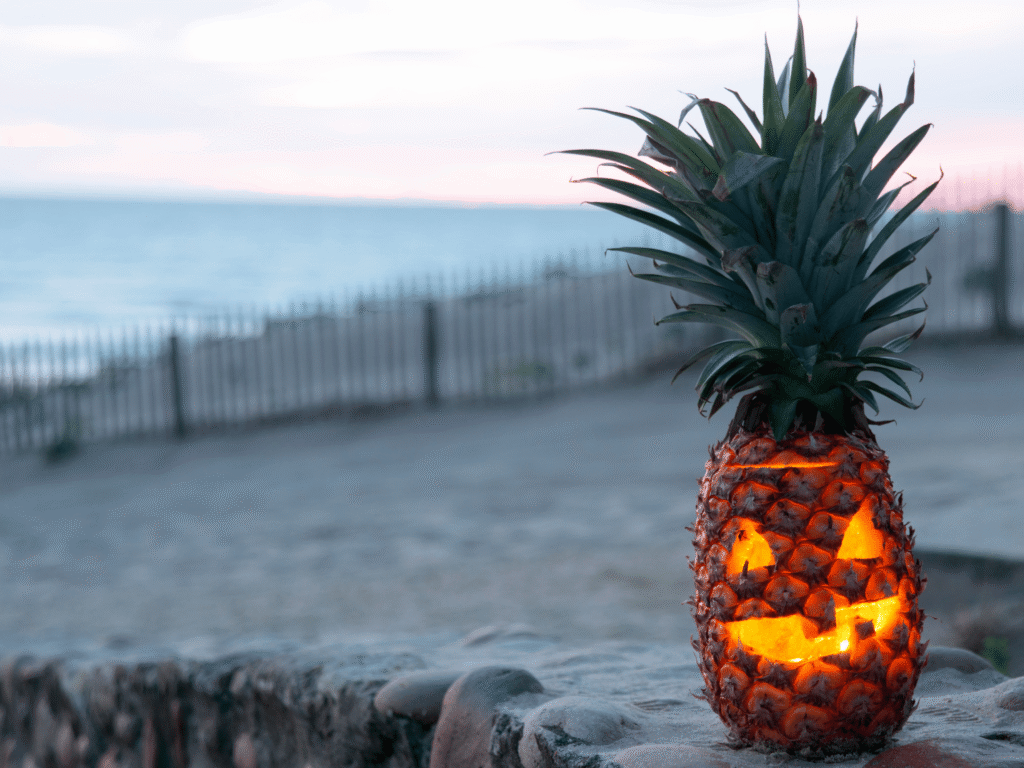
10. Have a Halloween Beach Night
Only in San Diego can your Halloween plans include the Pacific Ocean.
After a full day of pumpkin patches and Halloween activities, slow things down with an evening at the beach.
Pick up dinner from a local restaurant, watch the sunset and head back to your vacation rental for pumpkin carving, Halloween movies and candy.
Guests staying in Carlsbad, Oceanside, Encinitas or Solana Beach have easy access to some of North County San Diego’s best beaches and coastal communities.
And if you’re traveling with kids, Halloween night itself can be surprisingly fun near the coast. Many local neighborhoods and village areas host seasonal activities, so check community calendars as your trip approaches for 2026 trick-or-treating events.
Make a Halloween Weekend Out of It
One of the best things about Halloween in San Diego is that you don’t have to choose between a fall getaway and a beach vacation, you can have both.
Spend your morning walking along the beach, visit a pumpkin patch in the afternoon and end the evening at one of San Diego’s Halloween celebrations.
October also brings comfortable weather and plenty to do throughout the region, making it a great time to plan a Southern California getaway.
Whether you’re bringing the kids for Brick-or-Treat, heading to Howl-O-Scream with friends, exploring San Diego’s haunted history or simply looking for a relaxing fall weekend near the ocean, there’s something happening for every kind of Halloween fan.
Stay Near the Best Halloween Activities in San Diego
Turn your Halloween plans into a coastal getaway with Haustay Vacation Rentals.
With vacation homes in Carlsbad, Oceanside, Encinitas, Solana Beach and throughout North County San Diego, Haustay makes it easy to enjoy the area’s Halloween festivities while staying close to the beach.
Choose a spacious home for the whole family, stay within walking distance of the coast, and enjoy your own kitchen and living space for pumpkin carving, Halloween movie nights and all that trick-or-treat candy.
Ready for a spooky San Diego getaway? Browse Haustay Vacation Rentals and start planning your Halloween trip today.

If you’re looking for a weekend that blends world-class surfing, sun-splashed live music, and a festival village pulsing with energy, Oceanside’s Super Girl Surf Festival belongs at the very top of your list. Each year, the event transforms the area around the Oceanside Pier into an all-ages celebration of women’s sports and beach culture with elite competitions, a stacked free concert lineup, and hands-on activities that make it easy to spend the entire day (and night) by the water. For travelers (and locals planning a staycation), we’ll also cover smart ways to plan your trip and where to stay with Haustay Vacation Rentals so you can be steps from the action and still have a quiet, comfortable home base when the sun goes down.
What Is the Super Girl Surf Festival?
The Super Girl Surf Festival (often called Super Girl Surf Pro) is billed as the world’s largest women’s surf, music, and lifestyle festival, staged on the sand at the Oceanside Pier & Amphitheater. In addition to three days of surfing headlined by top World Surf League (WSL) pros, the festival hosts free live concerts, a DJ showcase, beach volleyball, skate, fitness classes, panels, and more—all built around a mission of empowerment and community. Best of all, the festival and concerts are free to attend.
For the 2026 edition, the festival is scheduled for August 21-23, 2026 (Friday–Sunday). Expect hundreds of athletes across multiple sports, a packed entertainment schedule, and the trademark “red cape” final on Sunday—when the week’s wave-riding hero is crowned.
When & Where (and What It’s Like on the Ground)
- Dates: Friday–Sunday, August 21–23, 2026
- Location: Oceanside Pier & Amphitheater, ~300 The Strand N, Oceanside, CA 92054
- Admission: Free; open to all ages
- Vibe: A festival village that feels like a beach block party—live music pumping from the amphitheater stage, pros carving under the pier, and families drifting between food vendors, brand activations, and shaded seating.
While the surf contest is the festival’s beating heart, Super Girl has evolved into a full weekend of experiences. In recent years, the schedule has included concerts from national touring artists, an all-female DJ series, skate jams, beach volleyball, roller-skating, fitness classes, panels, and community programming—so even non-surfers find plenty to love.
Pro tip: Mornings typically bring cleanest surf and early contest heats; afternoons are great for browsing the village and catching main-stage music as the golden hour lights up the pier. (Always confirm times on the official schedule the week of.)
Why the Surfing Matters
At the heart of the festival is professional surfing. Each year, more than 150 top female surfers compete in elite World Surf League events while fans gather on the beach to watch the action unfold.
Whether you’re an experienced surfer or have never watched a competition before, it’s an incredible opportunity to witness some of the sport’s most talented athletes up close. (Visit Oceanside has also highlighted the contest’s status as the largest women’s surfing event in the world.)
Music & Festival Village Highlights
Part of the magic is how seamlessly the music and beach sports interweave: you can watch a semifinal at the waterline, stroll 200 feet to grab lunch and cold brew in the downtown area, and then catch a free concert in the amphitheater—no ticket scanning, no long shuttles, just beach-to-stage in minutes. The festival’s official site teases dozens of free performances across the weekend (check the Super Girl schedule page for this year’s artist announcements and set times).
The festival village typically features interactive brand activations, local artisan vendors, a beer garden, wellness classes, and opportunities to meet athletes or creators on the #GOALS stage. Families love the openness—plenty of sand-space to spread out between heats and music—and the steady rotation of things to see and do.
Getting There, Parking & Logistics
- Arrive early if you’re driving; on-street and lot parking near the Pier fills quickly on festival mornings. Consider parking farther south along The Strand or in downtown garages and walk or rideshare in. Visit the Super Girl Event Info page for updated directions and logistics as the festival approaches.
- Public transit: The Oceanside Transit Center (COASTER/Amtrak/SPRINTER) sits a short walk from the Pier, which is convenient if you’re staying elsewhere along the coast and want to avoid parking altogether. (Confirm schedules before you go.)
- What to bring: Reef-safe sunscreen, a wide-brim hat, refillable water bottle, lightweight blanket or beach chairs, and a small daypack for snacks and layers. Shade can be sparse on the open sand—small umbrellas are handy if permitted (always follow posted rules).
It’s More Than Surfing
One of the reasons the Super Girl Surf Festival has become so popular is that there’s something for everyone.
Festival highlights include:
- Free live concerts
- Beach volleyball tournaments
- Skateboarding competitions
- BMX demonstrations
- Roller skating
- Soccer and flag football events
- Wellness classes like yoga and Pilates
- Female-led speaker panels
- Art exhibits
- Interactive brand activations
- Food vendors and beverage gardens
The event celebrates women across sports, business, music, health, and the arts, creating an energetic atmosphere that extends far beyond surfing.
Family Friendly? Absolutely.
Because the event is free and all-ages, it’s easy to tailor a visit for families with kids: split time between the sand and the shade of the amphitheater, plan snack breaks in the village, and use midday downtime to explore the Oceanside Pier (grabbing ice cream or a quick lunch with a view). Kids love the pace—action sports, music, and room to roam. (Keep an eye on the schedule for youth-friendly clinics or meet-and-greets that pop up most years.)
Where to Stay: Make It Effortless with Haustay Vacation Rentals
If you want to savor Super Girl all day and still retreat to a quiet, comfortable, fully equipped home at night, a vacation rental beats a standard hotel room by a mile. Haustay Vacation Rentals manages a curated collection of coastal homes and condos across Oceanside, Carlsbad, Solana Beach, and other North County gems—giving you the flexibility to stay walkable or a short drive from the Pier while enjoying features you simply won’t find in most hotels (think full kitchens, laundry, beach gear, private patios, and multiple bedrooms for families or groups).
Why book a Haustay home for Super Girl weekend?
- Space for the crew: Multiple bedrooms and living areas let early-risers hit the sand while night owls sleep in.
- Kitchens that earn their keep: Prep breakfast before heats, pack beach snacks, and keep concert beverages chilled—full kitchens help save serious cash over a festival weekend.
- Washer/dryer: A lifesaver when you’re rotating wet towels and sandy swimsuits day after day.
- Beach-ready amenities: Many Haustay properties include towels, chairs, umbrellas, boogie boards, and more—less to pack, more to enjoy.
- Private outdoor spaces: Wind down around a fire pit, grill dinner on a BBQ, or sip a nightcap on a balcony with ocean air.
- Work-friendly Wi-Fi: If someone in your group needs to check in with the office between heats, fast internet makes it painless.
Location tip:
- Oceanside & South O: Ideal if you want to maximize time on-foot near the Pier and amphitheater.
- Carlsbad Village: A 10–15 minute drive to the Pier with stellar dining and shopping—great for groups who want both festival energy and a quieter neighborhood vibe.
- Solana Beach & Encinitas: A bit farther south, but still an easy coastal drive for travelers looking to pair Super Girl with a broader North County beach trip.
If you need help matching your group to the right home (multi-family trips, pet-friendly stays, or oceanfront wish-lists), the Haustay team can recommend properties based on bedroom count, walkability, parking, and beach access—the details that matter most on a festival weekend.
How Far in Advance Should You Book?
Super Girl lands in the late-August sweet spot—warm water, mellow mornings, and some of the year’s most photogenic sunsets. That also means high demand, especially for places within a quick walk or bike ride to the Pier. For the best selection and rates:
- Book 2–3 weeks out (earlier for oceanfront or larger homes).
- Lock parking certainty—some areas near the beach are permit-restricted or fill early; having a dedicated spot at your rental is a huge stress reliever.
- Confirm amenities—if you want beach gear, A/C, balcony, fire pit, or EV charging, verify those boxes are checked at booking.
Packing List for a Seamless Super Girl Weekend
- Beach basics: Reef-safe sunscreen, polarized sunglasses, hat, quick-dry towel, and a light long-sleeve for breezy afternoons.
- Festival essentials: Refillable water bottle, small daypack, portable phone charger, ID (beer garden), and a lightweight blanket or chairs.
- Family add-ons: Sand toys, snacks, and ear protection for little ones who are sensitive to amplified music.
- Camera/phone storage: A small dry bag or waterproof pouch for shooting near the waterline.
- Footwear: Flip-flops for sand, comfortable sneakers for logging miles between village and pier.
What to Eat & Drink (Without Missing the Action)
The festival village usually includes food vendors and beverage options right on site, so it’s easy to grab a bite without leaving the beach. If you prefer a sit-down break, downtown Oceanside’s restaurants are a short stroll from the amphitheater—perfect for a quick taco run before the sunset concert block. Check the official event info page for any on-site guidelines about coolers and outside food so you can plan accordingly.
Respect the Beach, Support the Community
Large events are a privilege on a living coastline. Help keep Oceanside beautiful by packing out what you pack in, using the recycling/compost options in the village, and following lifeguard and event-staff instructions, especially around flagged swim/surf zones during competition windows.
Quick FAQs
Is the festival really free?
Yes—festival admission and concerts are free and open to all ages. Certain VIP or reserved experiences, if offered, may have separate costs; check the official site for the latest.
Where can I find the daily schedule?
The festival typically publishes a day-by-day schedule with set times for surfing, music, and activations as the event nears; start at the official Event Schedule page and check again the week of.
Do I need a ticket for the concerts?
No ticket is required for the free concert series at the amphitheater—arrive early if a headliner is on your must-see list.
What’s the exact address for the Pier?
Plug in Oceanside Pier / Junior Seau Oceanside Pier Amphitheatre (around 300 The Strand N); it’ll drop you within a block of the main staging areas.
Ready to Lock In Your Stay?
Oceanside’s Super Girl Surf Festival is the perfect excuse to plan a long-weekend beach escape—mornings on the sand, afternoons exploring the festival village, and golden-hour concerts by the Pier. To make the most of it, reserve a Haustay home that fits your group and your weekend rhythm: close enough to wander to the action, comfortable enough to truly unwind.
Tell us your ideal setup—oceanfront condo for a couple’s surf-and-song getaway, a family-friendly townhouse with parking and beach gear, or a multi-bedroom home for a group of friends—and we’ll recommend the best match for Super Girl weekend. See you under the red-cape finals and the August sunset.
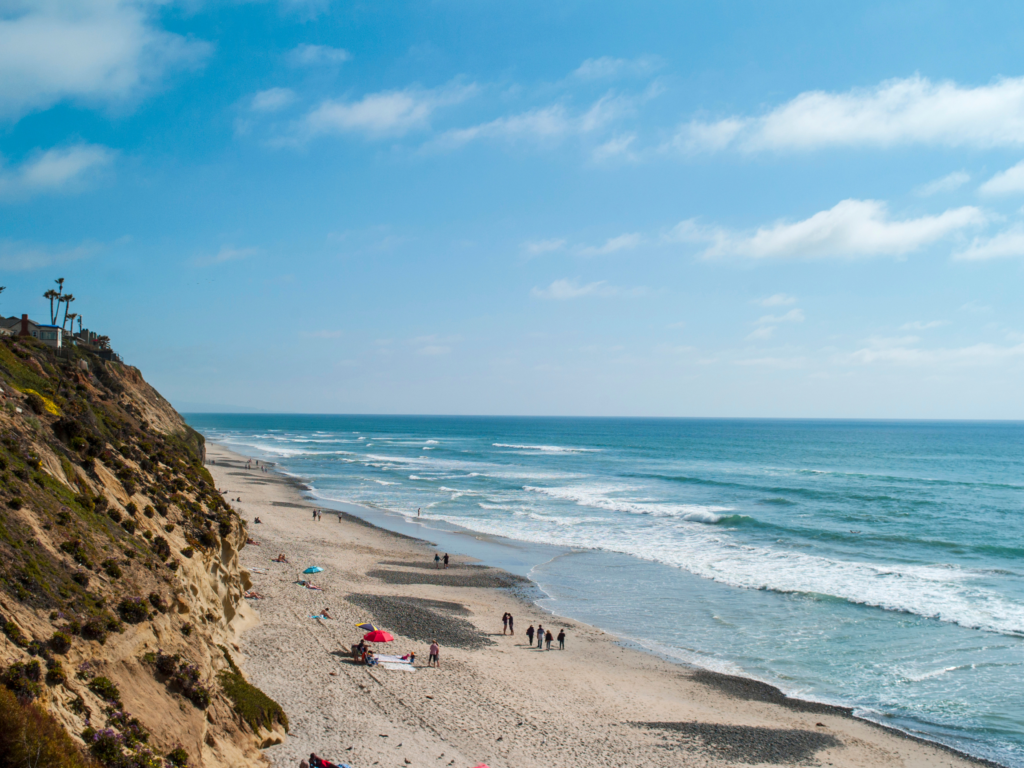
Visiting North County San Diego in August 2026: The Ultimate Guide to Beaches, Summer Events & Coastal Adventures
If you’re dreaming of endless sunshine, beach days, outdoor dining, and vibrant coastal communities, there’s no better time to visit North County San Diego than August. With warm temperatures, some of the year’s best ocean conditions, and a full calendar of festivals and community events, August captures everything that makes this stretch of the California coast so special.
Whether you’re staying in Carlsbad, Oceanside, Encinitas, or Solana Beach, you’ll find plenty to fill your itinerary—from surfing and sunset picnics to horse racing, farmers markets, live music, art festivals, and unforgettable dining experiences.
At Haustay Vacation Rentals, we believe the best vacations combine relaxation with local experiences. Here’s your guide to everything happening throughout North County San Diego during August 2026.
Why Visit North County San Diego in August?
August offers nearly perfect Southern California weather.
Expect:
- Average highs in the upper 70s
- Comfortable evenings in the mid-60s
- Warm Pacific Ocean temperatures
- Long daylight hours
- Spectacular sunsets
- Countless outdoor activities
It’s the perfect month for families before school starts, couples looking for a beach getaway, golfers, surfers, food lovers, and anyone hoping to experience the laid-back coastal lifestyle.
Spend Your Days at the Beach
One of the biggest reasons visitors choose North County in August is the beach.
Some local favorites include:
Tamarack State Beach – Carlsbad
Perfect for:
- Swimming
- Boogie boarding
- Beach volleyball
- Long sunset walks
- Family picnics
The wide sandy shoreline makes Tamarack one of Carlsbad’s most popular beaches during summer.
Moonlight State Beach – Encinitas
Moonlight Beach is consistently one of Southern California’s favorite family beaches thanks to its playground, snack bar, volleyball courts, lifeguards, and fire rings.
Fletcher Cove – Solana Beach
Looking for something quieter?
Fletcher Cove offers dramatic coastal bluffs, gentle waves, and incredible sunset views.
Oceanside Harbor Beach
Ideal for families thanks to calmer water, nearby restaurants, paddleboard rentals, and easy parking.
August 2026 Events in Oceanside
Oceanside has one of the busiest event calendars in North County during August.
Super Girl Surf Festival
August 21–23, 2026
One of the largest free women’s surf festivals in the world returns to Oceanside.
Visitors can enjoy:
- Professional surfing competitions
- Live music
- Beach fitness classes
- Wellness experiences
- Female athlete speakers
- Interactive brand experiences
- Family-friendly activities
Admission is free, making it one of the month’s biggest attractions.
First Friday Art Walk Oceanside Season Kickoff
Oceanside Civic Center Library Plaza – 330 North Coast Highway, Oceanside, 92054
Kick off the 13th season of the First Friday Art Walk Oceanside with a free, family-friendly event that features over 60 local artists, makers, and creatives showcasing unique, handmade work in Artist Alley and the Civic Center Library Plaza, along with live music throughout the evening.
Returning for its second year, the After Art Party continues from 8 to 9 PM with a live performance by Jaco Mello on the Civic Center Library Plaza stage.
In conjunction with the Art Walk, the Oceanside Museum of Art will offer free admission from 5 to 8 PM, including a docent-led tour at 6 PM and a cash bar with beer and wine.
Oceanside Morning Farmers Market
Every Thursday Morning
Browse fresh:
- Produce
- Flowers
- Artisan breads
- Local honey
- Handmade gifts
Perfect before spending the afternoon at the beach.
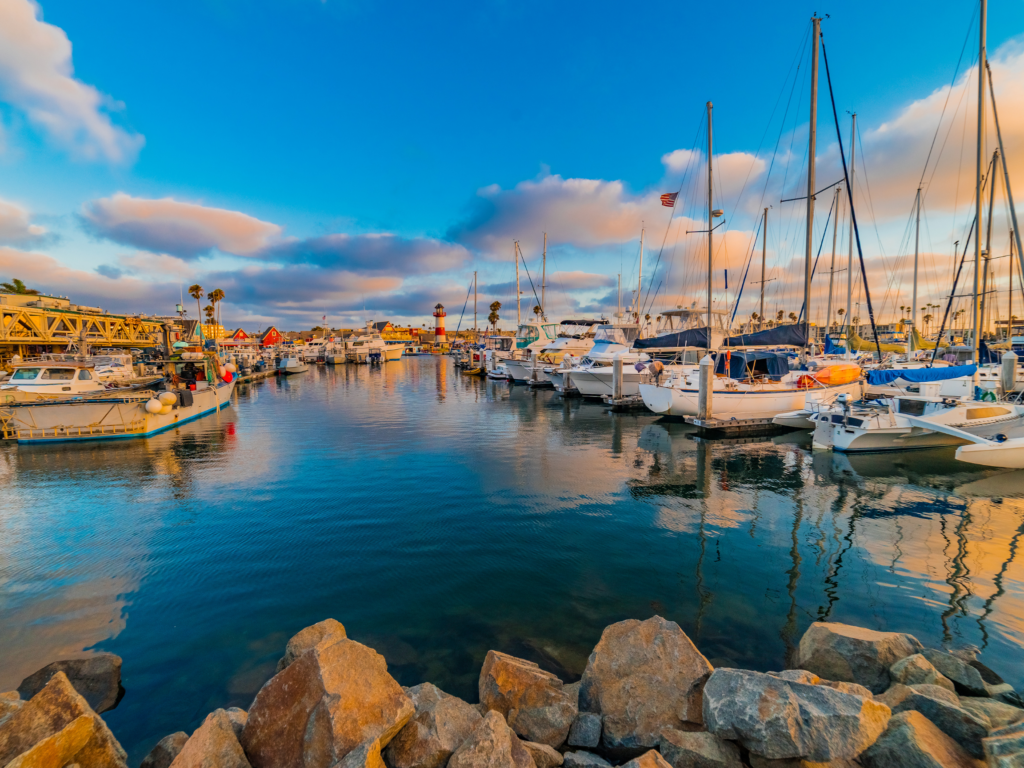
Oceanside Harbor
Rent:
- Paddleboards
- Kayaks
- Duffy boats
Or simply enjoy lunch overlooking the marina before browsing local shops.
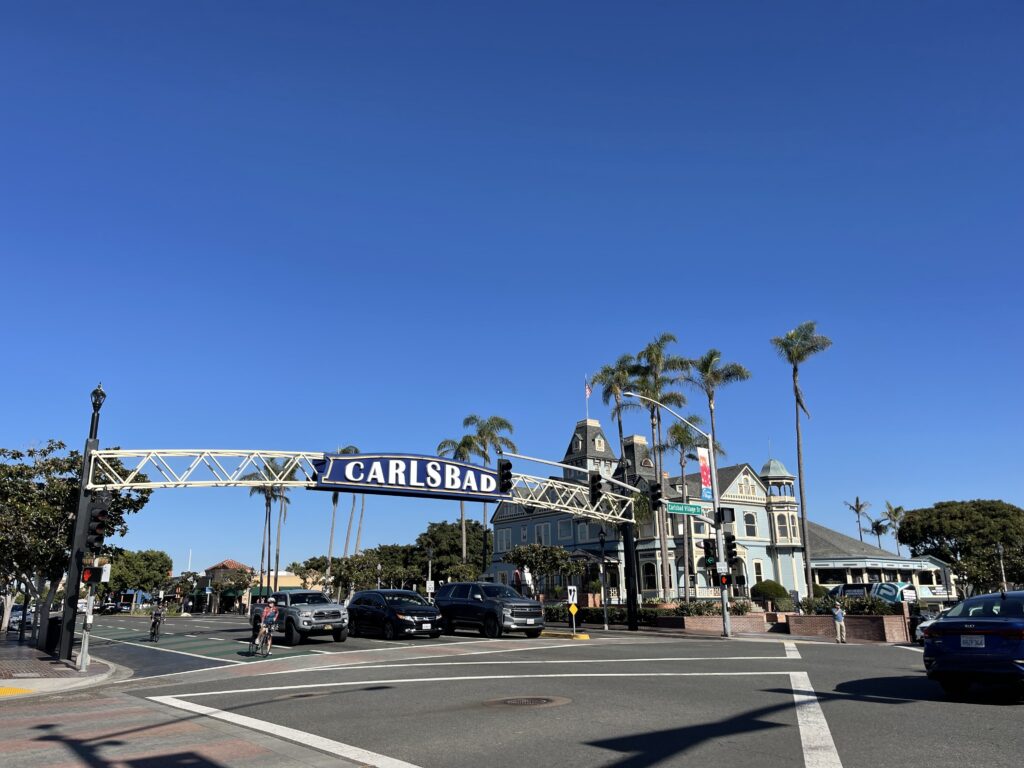
August 2026 Events in Carlsbad
Carlsbad is the perfect combination of beach town charm and resort luxury.
Carlsbad Village
Spend an afternoon exploring:
- Boutique shopping
- Ocean-view restaurants
- Coffee shops
- Ice cream
- Breweries
- Local galleries
Everything is within walking distance.
Carlsbad State Street Farmers Market
Every Wednesday
One of the region’s largest farmers markets offers:
- Fresh produce
- Handmade jewelry
- Gourmet foods
- Local flowers
- Live music
It’s a wonderful way to experience the local community.
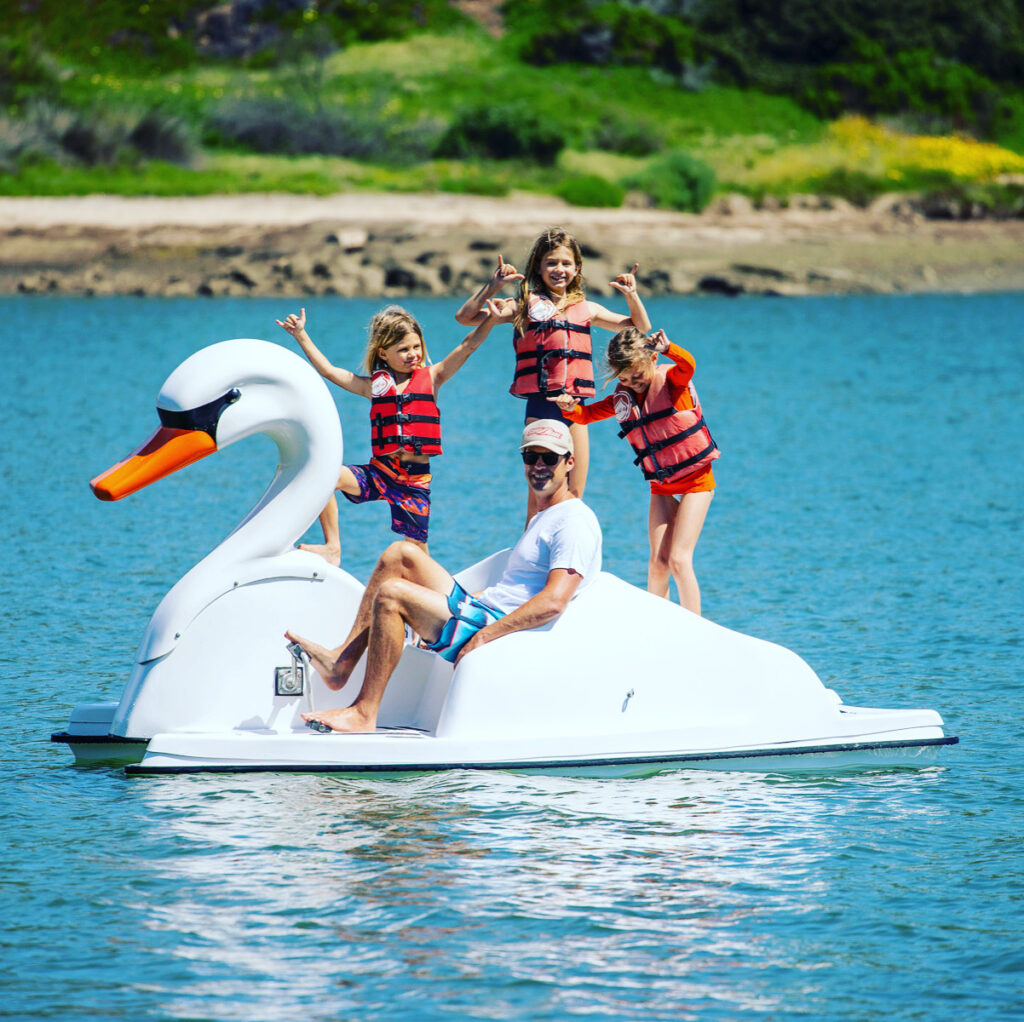
Agua Hedionda Lagoon
Looking for water activities beyond the beach?
Spend the day enjoying:
- Paddleboarding
- Kayaking
- Aqua cycles
- Wakeboarding
- Electric boat rentals
Golf at The Crossings at Carlsbad
August mornings are perfect for teeing off while enjoying panoramic ocean views. After your round, enjoy lunch overlooking the course.
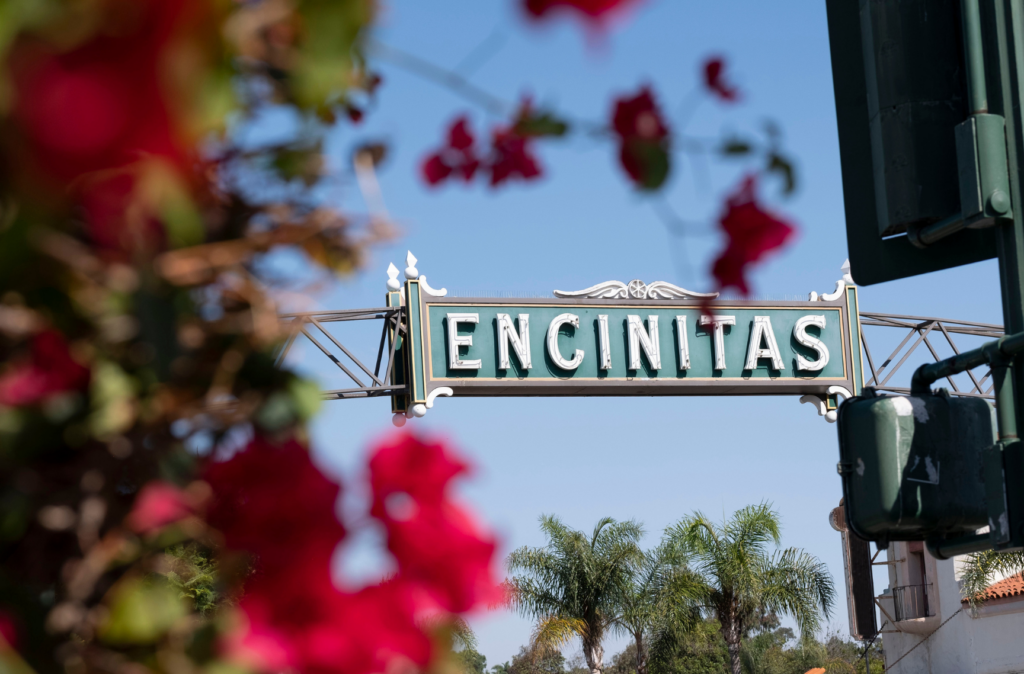
August 2026 Events in Encinitas
Encinitas perfectly blends surf culture with wellness, art, and great food.
Taste of Encinitas
August 25, 2026
One of the year’s most anticipated culinary events.
Purchase a tasting passport and enjoy food and drink samples from dozens of restaurants throughout downtown Encinitas while strolling along historic Highway 101.
Surf at Swami’s Beach
August typically offers consistent summer swells for experienced surfers.
Even if you’re not surfing, the overlook provides spectacular coastal views.
Moonlight Beach Bonfire
End your evening with:
- S’mores
- Sunset
- Beach games
- Bonfire under the stars
Moonlight Beach’s public fire rings make it one of the best places for a classic California beach evening.
Downtown Encinitas
Spend time exploring:
- Local boutiques
- Coffee shops
- Art galleries
- Plant stores
- Healthy cafés
- Breweries
It’s one of the most walkable downtown districts in North County.

August 2026 Events in Solana Beach
Although smaller than its neighboring cities, Solana Beach offers incredible shopping, dining, and live entertainment.
Cedros Avenue Design District
Browse dozens of locally owned:
- Home décor stores
- Art galleries
- Furniture boutiques
- Jewelry shops
- Fashion retailers
It’s one of North County’s most unique shopping districts. (Wikipedia)
Belly Up Tavern
Catch nationally touring artists at one of Southern California’s most iconic live music venues. Check the August lineup before your trip, as concerts often sell out.
Fletcher Cove Beach
Pack dinner and enjoy one of the area’s best sunset picnic locations.
Don’t Miss the Del Mar Racetrack
Although technically just south of Solana Beach, the Del Mar Thoroughbred Club is one of August’s biggest attractions.
Enjoy:
- Thoroughbred racing
- Trackside dining
- Fashion
- Weekend entertainment
- Family fun
Summer racing continues throughout August and remains one of Southern California’s signature seasonal experiences.
More Things to Do Throughout North County
Explore Highway 101
Drive the scenic coastal highway connecting:
- Oceanside
- Carlsbad
- Encinitas
- Solana Beach
- Del Mar
Stop often for coffee, beaches, shopping, and ocean views.
Watch the Sunset
Favorite viewing spots:
- Oceanside Pier
- Tamarack Beach
- Carlsbad Seawall
- Moonlight Beach
- Fletcher Cove
No two sunsets are ever the same.
Go Whale & Dolphin Watching
Summer offers opportunities to spot:
- Blue whales
- Fin whales
- Dolphins
- Sea lions
Tours depart regularly from Oceanside Harbor.
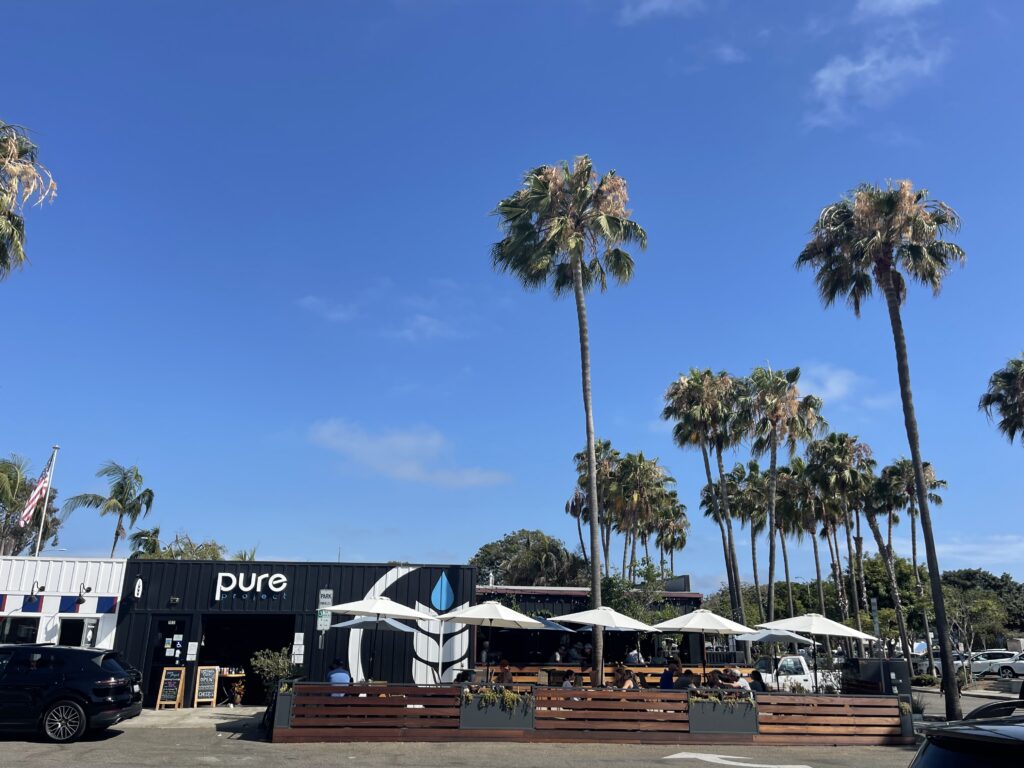
Visit Local Breweries
North County is home to an incredible craft beer scene.
Popular stops include:
- Pure Project
- Burgeon Beer Company
- Pizza Port Brewing
- Green Cheek Beer Co.
- Karl Strauss
Most feature outdoor patios perfect for August evenings.
Outdoor Dining
Some favorite restaurants include:
Carlsbad
- Campfire
- Nick’s on State
- Wildland
Encinitas
- Herb & Sea
- Valentina
- Le Papagayo
Solana Beach
- Rare Society
- Station Sushi
- Claire’s on Cedros
Oceanside
- Valle
- Dija Mara
- Piper
Reservations are highly recommended during August weekends.
Family-Friendly Activities
Traveling with kids?
Don’t miss:
- LEGOLAND California
- SEA LIFE Aquarium
- Agua Hedionda Lagoon
- Beach bonfires
- Mini golf
- Bike rides along The Strand
- Tide pooling
- Ice cream in Carlsbad Village
Tips for Visiting in August
✔ Book accommodations early—August is one of the busiest months of the year.
✔ Reserve restaurant reservations in advance, especially on weekends.
✔ Visit popular beaches before 10 a.m. for easier parking.
✔ Pack sunscreen, hats, reusable water bottles, and light layers for cool evenings.
✔ Consider riding the COASTER train between Oceanside, Carlsbad, Encinitas, Solana Beach, and downtown San Diego to avoid traffic while enjoying scenic ocean views.
Stay with Haustay Vacation Rentals
Whether you’re looking for an oceanfront condo, a luxury beach home, or a family-friendly retreat, Haustay Vacation Rentals offers professionally managed properties throughout North County San Diego.
Stay close to the beaches, farmers markets, festivals, restaurants, and attractions that make August one of the best months to visit Southern California.
From sunrise walks along the coast to evenings spent at outdoor concerts or enjoying fresh seafood after a day at the beach, August offers the quintessential California vacation experience. We can’t wait to welcome you to Oceanside, Carlsbad, Encinitas, or Solana Beach and help you experience everything North County has to offer.
Start planning your August 2026 getaway today and discover why North County San Diego is one of California’s most beloved summer destinations.
La Costa Escape — Now Available For Purchase (Turnkey Resort-Style Starter or Second Home)
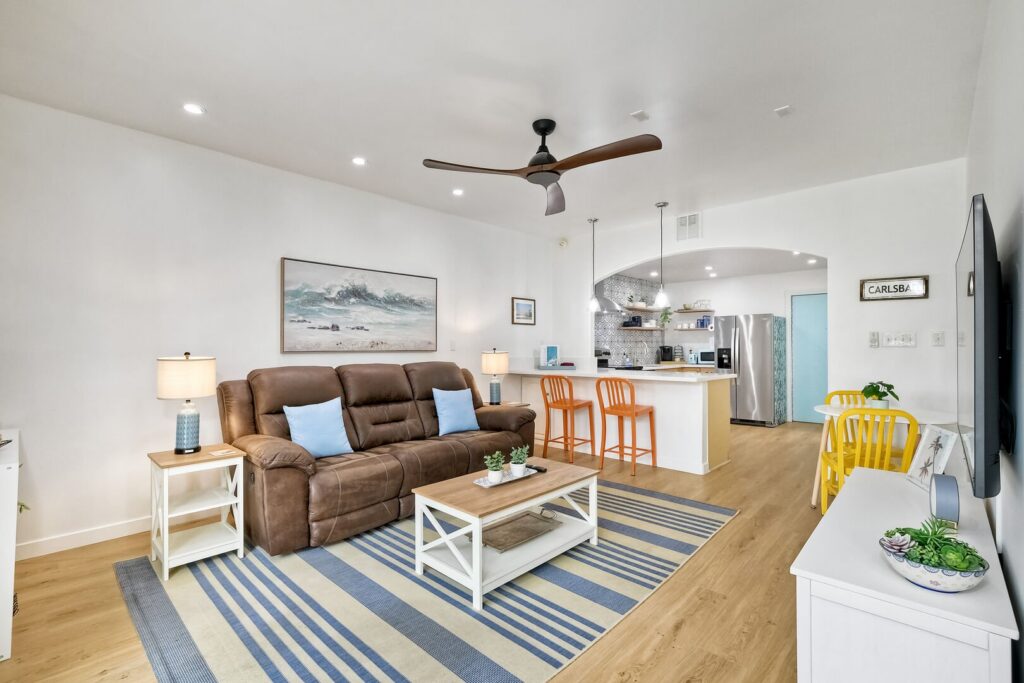
Have you ever dreamed of owning a vacation home in one of Southern California’s most sought-after resort communities?
Now is your opportunity.
La Costa Escape, a beautifully remodeled one-bedroom, 1.5-bath condominium nestled within the prestigious Omni La Costa Resort & Spa community in Carlsbad, is officially on the market. Whether you’re searching for a weekend retreat, a full-time residence, or an investment property in North County San Diego, this turnkey condo offers the perfect blend of luxury, convenience, and resort-style living.
Beautifully Updated & Move-In Ready
La Costa Escape has been recently remodeled with modern finishes and a bright, welcoming interior designed for comfortable everyday living.
Inside you’ll find:
- Spacious one-bedroom floor plan
- King-sized primary suite with en-suite bathroom
- 1.5 bathrooms
- Fully equipped kitchen with stainless steel appliances
- Open-concept living and dining area
- Private outdoor patio perfect for morning coffee or evening wine
- In-unit washer/dryer combo
- Gated underground parking with elevator access
- High-speed internet
- Mini-split air conditioning
The open layout creates a light and airy feel, while the private patio extends your living space outdoors—perfect for enjoying Carlsbad’s year-round sunshine.
Resort Amenities at Your Doorstep
One of the biggest advantages of owning La Costa Escape is its unbeatable location within the Omni La Costa Resort community.
Nearby you’ll enjoy:
🏌️ Championship golf courses
🎾 Tennis courts
🏊 Heated community pool
🍷 Restaurants and bars
🌴 Beautiful walking paths and lush landscaping
A vacation rental with a track record you can verify
Invest with confidence in a proven vacation rental boasting 10/10 guest reviews on Vrbo.
That proven track record can help reduce the learning curve many new short-term rental owners experience.
Reviews & continuity options (important if you’re buying for STR use)
If you purchase La Costa Escape and keep Haustay Vacation Rentals as the property manager, the existing review history from both Airbnb and VRBO can continue to be used.
If you purchase and self-manage, the VRBO reviews can be transferred to the buyer, while Airbnb reviews are non-transferable (per Airbnb policy).
Who this condo is perfect for
- First-time investment owners who want a manageable, high-demand 1BR footprint
- Second-home buyers who want to stay in one of Carlsbad’s most desirable communities, then rent it when they’re away
- Lifestyle investors looking for a proven, guest-loved home in a location that sells itself
Want details on the sale?
View the full property page here: La Costa Escape
Asking price is $789,00.00.
To discuss management continuity with Haustay, contact Nick at Haustay at 619-616-1346
The Best Rooftop Bars from Del Mar to Oceanside
There’s something magical about sipping a handcrafted cocktail while watching the sun melt into the Pacific. Whether you’re planning a romantic date night, celebrating a special occasion, or simply looking for the perfect place to catch golden hour, North County San Diego is home to some of Southern California’s most incredible rooftop bars.
From sophisticated oceanfront lounges in Del Mar to lively rooftop destinations in Carlsbad and Oceanside, these elevated venues combine panoramic views, exceptional food, creative cocktails, and unforgettable coastal vibes.
Here’s your guide to the best rooftop bars from Del Mar to Oceanside.
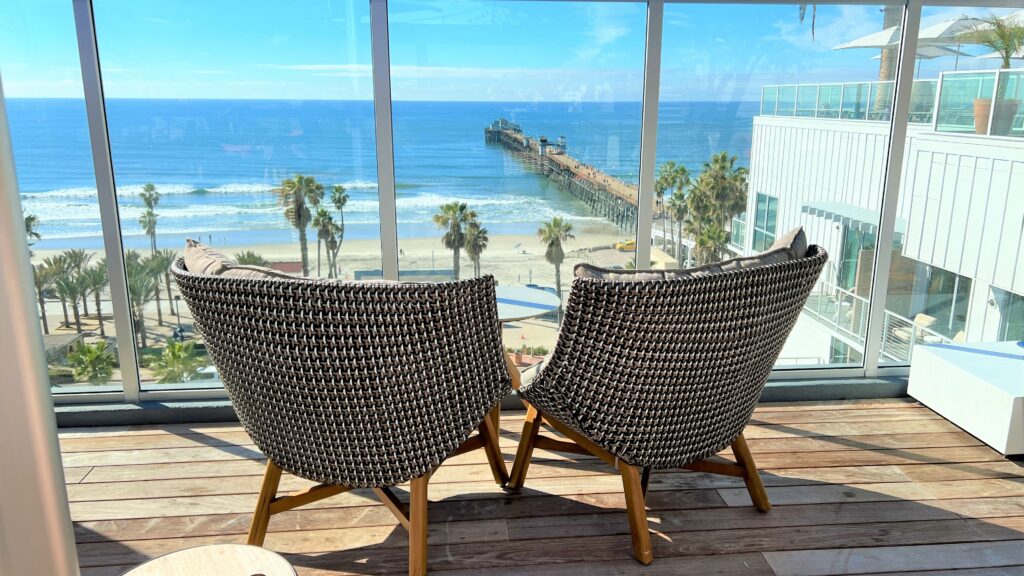
1. The Rooftop Bar at Mission Pacific
📍 Oceanside
If there’s one rooftop that’s become synonymous with Oceanside, it’s The Rooftop Bar atop Mission Pacific Hotel.
Perched six stories above the beach, this rooftop offers panoramic views of the Pacific Ocean, the Oceanside Pier, and some of the most spectacular sunsets in Southern California. During the day, guests can relax poolside with tropical cocktails, while evenings transform into a lively social scene with DJs, craft cocktails, and a sophisticated beach-club atmosphere.
Don’t Miss:
- Sunset cocktails
- Poolside cabanas
- Weekend DJs
- Oceanfront views
Perfect For:
✔ Date Night
✔ Girls’ Trip
✔ Sunset Drinks
✔ Special Occasions
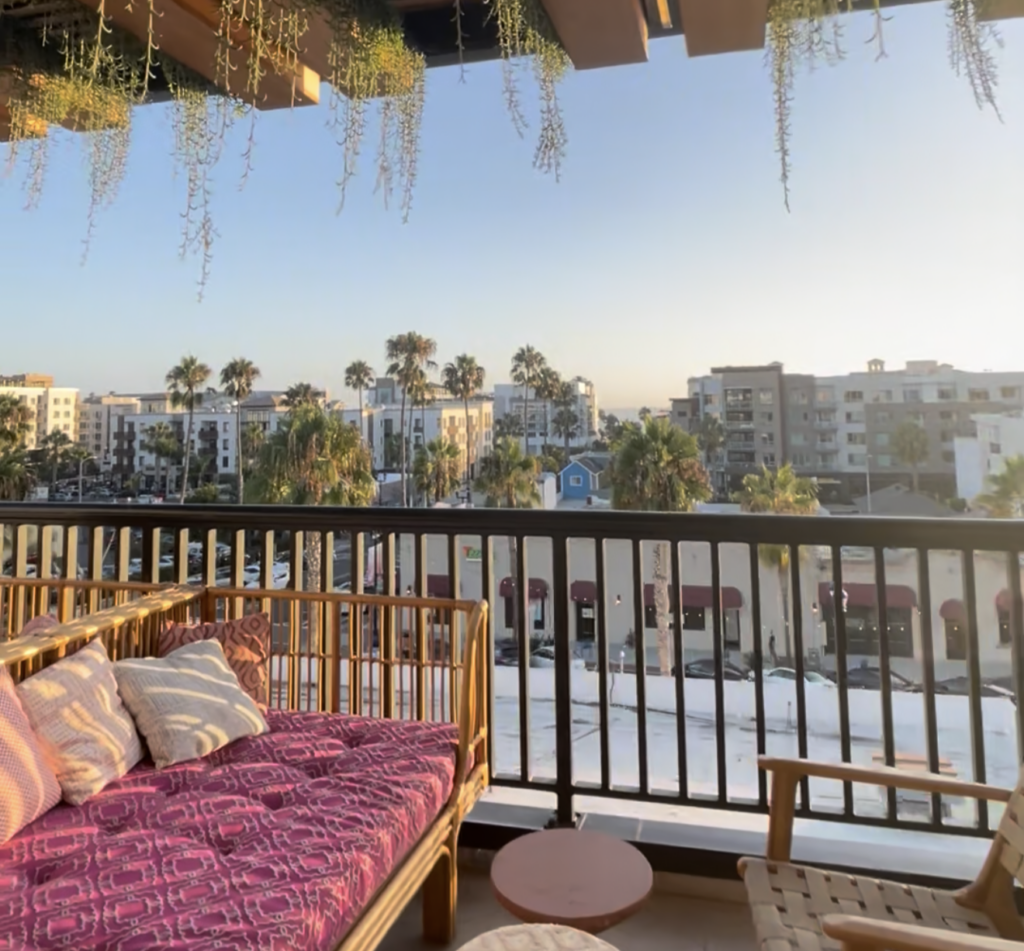
2. Cococabana Rooftop
📍 Oceanside
Located above Cococabana, this colorful rooftop transports guests to a tropical escape inspired by Tulum and the Baja coast.
Expect vibrant décor, frozen cocktails, shareable bites, lush greenery, and ocean breezes. It’s one of Oceanside’s most Instagram-worthy happy hour destinations and an excellent choice for groups looking for a fun atmosphere.
Must Try:
- Frozen margaritas
- Fresh ceviche
- Sunset happy hour
3. Tower39 Rooftop Lounge
📍 Carlsbad Village
Located atop the SpringHill Suites in Carlsbad Village, Tower39 Rooftop Lounge delivers incredible views overlooking the Pacific Ocean.
Its relaxed atmosphere makes it one of the best places to unwind after a beach day. Fire pits, comfortable lounge seating, local craft beers, and creative cocktails make this rooftop a favorite among both locals and visitors.
Highlights:
- Ocean views
- Fire pits
- Live music on select nights
- Walkable from Carlsbad Village
4. The Deck at 264 Fresco
📍 Carlsbad Village
If you’re looking for a rooftop dinner with an upscale feel, The Deck at 264 Fresco is hard to beat.
This adults-only rooftop specializes in Italian-inspired cuisine, seafood, handcrafted cocktails, and wine while overlooking Carlsbad Village. It’s intimate, elegant, and perfect for date night.
Order:
- Burrata
- Fresh seafood pasta
- Espresso martini
Best Time:
Arrive about an hour before sunset.
5. Park 101 Rooftop
📍 Carlsbad Village
Looking for a more casual rooftop?
Park 101 offers a lively, family-friendly rooftop with BBQ, local beers, cocktails, lawn games, and big-screen TVs.
Unlike many rooftop lounges, Park 101 welcomes families during the day, making it a great stop after exploring Carlsbad Village.
Great For:
- Casual lunch
- Watching sports
- Large groups
- Weekend brunch
6. Sky Deck at Del Mar Highlands
📍 Del Mar
Although technically more of an elevated open-air dining destination than a traditional rooftop, Sky Deck is one of North County’s hottest gathering places.
The space features multiple chef-driven restaurants surrounding a stylish cocktail bar, allowing guests to sample everything from sushi and steak to tacos and craft cocktails—all under one roof.
Perfect For:
- Groups with different tastes
- Happy Hour
- Live music
- Date night
7. Monarch Ocean Pub
📍 Del Mar
Overlooking the Pacific Ocean, Monarch Ocean Pub combines elevated coastal cuisine with breathtaking ocean views.
Whether you’re stopping by for brunch, happy hour, or dinner, the expansive outdoor deck makes every seat feel like front-row oceanfront seating. Monarch Ocean Pub
Must Try:
- Fish tacos
- Craft cocktails
- Weekend brunch
Bonus: Ocean View Dining Worth Mentioning
While not technically rooftops, these waterfront restaurants deserve a spot on your itinerary thanks to their spectacular views:
Each offers unforgettable sunsets, fresh seafood, and some of the best oceanfront dining in North County.
Rooftop Bar Crawl Itinerary
Want to experience several in one day?
Afternoon
🍹 Park 101
Casual drinks and appetizers
⬇
Golden Hour
🌅 Tower39 Rooftop Lounge
Watch the sunset over the Pacific.
⬇
Dinner
🍝 The Deck at 264 Fresco
⬇
Nightcap
🍸 The Rooftop Bar at Mission Pacific
Where to Stay Nearby
One of the best parts about exploring North County’s rooftop scene is that you never have to travel far.
Haustay offers luxury vacation rentals throughout:
🏖 Carlsbad
☀️ Encinitas
Whether you’re planning a girls’ weekend, romantic getaway, couples trip, or summer vacation, you’ll be just minutes from North County’s best restaurants, rooftop lounges, beaches, and nightlife.
Many Haustay homes also feature private rooftop decks, ocean views, pools, hot tubs, and outdoor entertaining spaces—perfect for continuing the evening after your rooftop adventure.
Final Thoughts
North County San Diego offers far more than beautiful beaches. Its growing collection of rooftop bars and elevated dining destinations has transformed the area into one of Southern California’s best places for sunset cocktails, ocean-view dining, and unforgettable evenings.
Whether you’re watching surfers from Tower39, enjoying handcrafted cocktails above the beach at Mission Pacific, or sharing dinner under the stars in Del Mar, every rooftop offers its own unique perspective of the California coast.
Cheers to ocean breezes, golden sunsets, and unforgettable nights in North County.

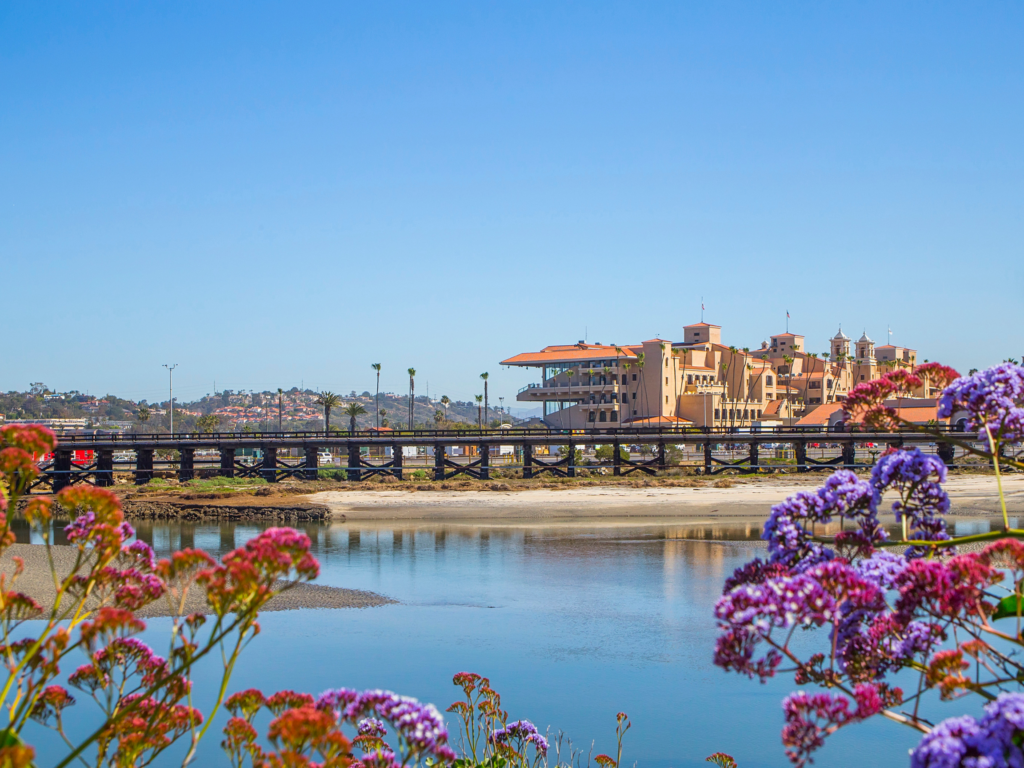
When it comes to iconic Southern California summer traditions, few events rival Opening Day at the Del Mar Racetrack. Equal parts sporting event, fashion show, social gathering, and coastal celebration, Opening Day marks the official start of the Del Mar Thoroughbred Club’s summer racing season and attracts thousands of visitors from across California and beyond.
Known for its glamorous hats, oceanfront setting, celebrity sightings, and electric atmosphere, Opening Day has become one of San Diego’s most anticipated annual events. Whether you’re attending for the first time or making it an annual tradition, this guide covers everything you need to know—from what to wear and when to arrive to where to stay for the ultimate Del Mar experience.
What Is Opening Day at Del Mar?
Opening Day is the kickoff event for the Del Mar Thoroughbred Club’s summer racing season. Since the racetrack opened in 1937, the event has evolved into one of the most celebrated social occasions in Southern California. Del Mar’s famous slogan, “Where the Turf Meets the Surf,” perfectly captures the venue’s unique combination of world-class horse racing and coastal California charm.
The event is about far more than horse racing. Opening Day has become known for:
- Elegant fashion and statement hats
- The legendary Hats Contest
- Trackside parties and entertainment
- Premium dining experiences
- Celebrity and influencer appearances
- High-energy betting and racing action
- A festive summer atmosphere unlike anywhere else in California
Each year, thousands of race fans, fashion enthusiasts, and visitors descend on Del Mar to celebrate the start of racing season. Opening Day remains one of the racetrack’s largest and most anticipated events.
Why Opening Day Is Such a Big Deal
Unlike many sporting events, Opening Day blends luxury, entertainment, and tradition.
For locals, it signals the unofficial start of summer in North County San Diego. For visitors, it’s an opportunity to experience one of Southern California’s most iconic events while enjoying the beaches, restaurants, and coastal lifestyle that make Del Mar so desirable.
The atmosphere is often compared to a West Coast version of the Kentucky Derby. Guests arrive dressed in colorful dresses, tailored suits, fascinators, and extravagant hats, creating a scene that’s as memorable as the races themselves.
The Famous Opening Day Hats Contest
No discussion of Opening Day is complete without mentioning the Hats Contest.
One of Del Mar’s most beloved traditions, the contest encourages guests to showcase creative, elegant, and eye-catching headwear. Categories typically include:
- Most Glamorous
- Best Fascinator
- Best Flowers
- Best Racing Theme
Thousands of dollars in prizes are awarded annually, and participation has become a signature part of the Opening Day experience.
Even if you’re not entering the competition, dressing up is part of the fun. You’ll see everything from sophisticated wide-brimmed hats to elaborate custom fascinators that rival those seen at major international racing events.

What Should You Wear to Opening Day?
For Women
Opening Day is one of the few occasions where it’s encouraged to go all out.
Popular choices include:
- Floral dresses
- Bright summer colors
- Elegant jumpsuits
- Fascinators
- Statement hats
- Wedges or block heels
- Designer handbags
Since much of the event takes place outdoors, comfortable footwear is highly recommended.
For Men
Men typically embrace a polished summer look, including:
- Linen suits
- Sport coats
- Dress shirts
- Loafers
- Pocket squares
- Panama hats
Think coastal sophistication rather than formal black-tie attire.
When Should You Arrive?
Opening Day is one of the busiest days of the racing season.
Gates generally open before the first race, and arriving early offers several advantages:
- Easier parking
- Better opportunities for photos
- Time to explore the venue
- Access to pre-race festivities
- Participation in the Hats Contest
Traffic around Del Mar, Solana Beach, and Via de la Valle can become extremely congested on Opening Day, so allowing extra travel time is essential.
Beyond the Races: Parties and Entertainment
Many first-time visitors are surprised to learn that Opening Day is as much about socializing as it is about horse racing.
Special events often include:
- Live DJs
- Premium cocktail experiences
- VIP hospitality areas
- Photo activations
- Trackside celebrations
- After-parties
The popular Opening Day Party has become a destination in itself, attracting visitors who may never place a bet but want to experience the excitement and energy of the event.
Making a Weekend of It
One of the best ways to enjoy Opening Day is to turn it into a long weekend.
Many visitors arrive a day or two early and spend time exploring:
Del Mar Beaches
Del Mar’s coastline offers beautiful sandy beaches, scenic walking paths, and incredible sunset views.
Del Mar Village
The charming downtown area features:
- Boutique shopping
- Fine dining
- Wine bars
- Cafés
- Ocean-view patios
Nearby Coastal Communities
Visitors can easily explore:
- Solana Beach
- Encinitas
- Carlsbad
- Oceanside
Each offers unique beaches, restaurants, and attractions within a short drive of the racetrack.
Why Vacation Rentals Are Better Than Hotels for Opening Day
While traditional hotels often sell out months in advance, vacation rentals offer a more comfortable and memorable experience.
Benefits include:
More Space
Instead of squeezing into a standard hotel room, guests enjoy:
- Multiple bedrooms
- Full kitchens
- Spacious living areas
- Private outdoor spaces
Better for Groups
Opening Day is often a social event shared with friends and family. Vacation rentals make it easy to stay together under one roof.
Luxury Amenities
Many North County vacation rentals feature:
Prime Coastal Locations
Rather than staying in crowded hotel districts, guests can enjoy authentic coastal neighborhoods just minutes from the racetrack.
Best Areas to Stay for Del Mar Opening Day
Del Mar
The closest and most convenient option.
Perfect for:
- Walking to restaurants
- Beach access
- Luxury accommodations
- Quick access to the racetrack
Solana Beach
Just south of Del Mar, Solana Beach offers a quieter atmosphere while remaining close to all the action.
Perfect for:
- Couples
- Beach lovers
- Dining enthusiasts
Encinitas
One of North County’s most popular coastal destinations.
Perfect for:
- Groups
- Surf enthusiasts
- Families
- Visitors wanting a true California beach-town experience
Carlsbad
A favorite for visitors seeking luxury, family-friendly attractions, and easy beach access.
Perfect for:
- Families
- Extended stays
- Group vacations
Oceanside
An increasingly popular destination offering oceanfront homes, vibrant restaurants, and a relaxed coastal vibe.
Perfect for:
- Larger groups
- Beachfront stays
- Travelers looking for value without sacrificing location
Where to Stay with Haustay
For guests attending Opening Day, Haustay offers luxury vacation rentals throughout North County San Diego.
Whether you’re looking for:
- Oceanfront cottages
- Luxury beach homes
- Family-friendly retreats
- Properties with pools and hot tubs
- Group accommodations
Haustay’s collection provides the ideal home base for race weekend.
Imagine spending the day at Del Mar Racetrack and returning to your own private coastal retreat to watch the sunset, relax in a hot tub, or gather around a beachfront fire pit.
That’s the kind of experience that transforms Opening Day into an unforgettable vacation.
Tips for First-Time Visitors
Before you go:
- Purchase tickets early
- Make dining reservations in advance
- Plan transportation ahead of time
- Arrive early
- Dress comfortably and stylishly
- Bring sunscreen
- Stay hydrated
- Book accommodations well before race weekend
Opening Day often sells out, and nearby accommodations become increasingly limited as the event approaches.
Final Thoughts
Opening Day at Del Mar is more than a horse race—it’s a Southern California tradition that combines fashion, entertainment, luxury, and coastal beauty into one unforgettable experience.
Whether you’re attending for the races, the hats, the parties, or simply the atmosphere, few events capture the spirit of summer in San Diego quite like Del Mar Opening Day.
And when the day is over, there’s no better place to unwind than a luxury coastal vacation rental just minutes from the action.
Planning your Del Mar Opening Day getaway? Explore Haustay’s collection of luxury vacation rentals in Del Mar, Encinitas, Carlsbad, and Oceanside and make this year’s racing season your most memorable yet.
June is one of the most exciting times of year to visit North County San Diego. Coastal towns from Del Mar to Oceanside come alive with summer festivals, outdoor concerts, beach events, food experiences, art walks, and family-friendly celebrations. With warm afternoons, cool ocean breezes, and longer daylight hours, June marks the official start of Southern California’s summer season.
Whether you’re planning a weekend getaway or a longer coastal vacation, there’s no shortage of events happening along the North County coastline in June 2026. From the iconic San Diego County Fair in Del Mar to Pride celebrations in Oceanside, every beach town offers its own unique mix of entertainment and local culture.
Here’s your guide to the top June 2026 events happening from Del Mar to Oceanside.

San Diego County Fair — Del Mar
The biggest event of the summer returns to the Del Mar Fairgrounds from June 10 through July 5, 2026. The San Diego County Fair is one of Southern California’s most iconic seasonal attractions, drawing visitors from across California for rides, concerts, food vendors, games, exhibits, and live entertainment.
The 2026 theme, “Once Upon a Fair,” celebrates storytelling and San Diego history through immersive exhibits and themed experiences. Visitors can expect:
- Carnival rides and midway games
- Fair food favorites and creative new treats
- Agricultural exhibits and petting zoos
- Live concerts at the Corona Grandstand Stage
- Family entertainment and interactive exhibits
- Shopping vendors and local artisans
Several major performers are already expected during the fair’s concert series, including Marshmello, Gabriel “Fluffy” Iglesias, Nelly, Maren Morris, AJR, and more.
The Del Mar Fairgrounds sits just minutes from the beach, making it easy to combine a beach day with an evening at the fair.
Del Mar Summer Solstice Festival
One of Del Mar’s signature summer events returns on June 18, 2026, at Powerhouse Park overlooking the ocean. The Del Mar Summer Solstice event combines coastal dining, live music, cocktails, and local culinary experiences in one of the most scenic settings in North County.
Guests can enjoy:
- Tastings from Del Mar Village restaurants
- Wine, craft beer, and cocktail experiences
- Oceanfront live music
- Sunset views over the Pacific
- Local community vendors
This event has become a favorite kickoff to summer for both locals and visitors staying along the coast.
Pride by the Beach — Oceanside
Pride by the Beach returns to Oceanside on June 6, 2026, bringing one of North County’s most vibrant community celebrations to the coast. Organized by the North County LGBTQ Resource Center, the event welcomes attendees from across the region for a full day of entertainment and community programming.
The celebration typically includes:
- Live music and DJs
- Local food vendors
- Art and wellness booths
- Family-friendly activities
- Community resources and performances
Downtown Oceanside’s walkable layout and oceanfront setting make it an ideal place to spend the entire day exploring restaurants, breweries, and the pier after the event concludes.
Oceanside Sunset Market
Every Thursday evening in June, downtown Oceanside hosts the popular Oceanside Sunset Market. This weekly event transforms downtown streets into a lively open-air festival with food vendors, live entertainment, shopping, and family activities.
Visitors can expect:
- International street food vendors
- Live bands and performers
- Local artisan booths
- Fresh produce and desserts
- Entertainment for kids and families
The Sunset Market remains one of the best ways to experience Oceanside’s creative and community-driven atmosphere during summer evenings.
Live Music at The Sound — Del Mar
The Sound at Del Mar continues attracting major artists and touring acts throughout June 2026. The modern entertainment venue near the Del Mar Fairgrounds has quickly become one of North County’s premier live music destinations.
Several concerts and performances are already scheduled during June, making it an excellent option for visitors looking to pair beach days with evening entertainment.
Because many shows sell out quickly during summer months, purchasing tickets in advance is highly recommended.

Carlsbad Village Summer Events
Carlsbad Village becomes especially lively during June, with seasonal programming, outdoor dining, local markets, and community events happening throughout the month.
Popular summer experiences include:
- Outdoor live music performances
- Rooftop dining events
- Art walks and gallery nights
- Farmers markets
- Local brewery events
The walkable downtown village offers visitors easy access to restaurants, boutiques, cafés, and the beach, making it one of the most popular June destinations in North County.
Encinitas Street Fairs and Coastal Markets
Encinitas hosts multiple outdoor markets and community gatherings throughout June, embracing the town’s laid-back surf culture and wellness-focused lifestyle.
Visitors can explore:
- Local craft fairs
- Beachside yoga events
- Farmers markets
- Live music nights
- Wellness pop-ups and art vendors
Encinitas also becomes especially active during summer surf season, with beaches like Swami’s and Moonlight Beach drawing surfers and spectators throughout the month.
Outdoor Beach Concerts Along the Coast
June officially kicks off outdoor concert season across North County San Diego. Coastal communities from Del Mar through Oceanside begin hosting evening performances at parks, beaches, and outdoor venues throughout the month.
Many of these events are free and family-friendly, featuring:
- Local bands and tribute acts
- Food trucks and beer gardens
- Oceanfront sunset settings
- Community picnics and lawn seating
Concert schedules vary by city, but nearly every coastal town hosts some form of live outdoor entertainment during June.
Food Festivals and Culinary Events
North County San Diego’s food scene continues growing rapidly, and June is packed with culinary experiences focused on local chefs, seafood, craft beer, and coastal dining.
Food-focused events during June often include:
- Wine tasting events
- Beer festivals
- Seafood tastings
- Outdoor dining experiences
- Chef collaborations
- Beachfront cocktail events
Oceanside and Carlsbad in particular have emerged as major food destinations in recent years, attracting both established chefs and innovative new restaurants.
Family-Friendly Summer Activities
June is also one of the best times for families visiting North County San Diego.
Popular family attractions and seasonal activities include:
- LEGOLAND California
- Beach movie nights
- Fairground rides and games
- Tidepool exploration
- Harbor cruises in Oceanside
- Outdoor recreation and beach rentals
Because June arrives before peak July tourism crowds, families often enjoy shorter lines and a more relaxed atmosphere at many attractions.
Explore Coastal Towns During Event Weekends
One of the best parts about visiting North County in June is how easy it is to explore multiple coastal communities in a single trip.
Visitors can spend:
- Morning coffee in Del Mar
- Afternoon shopping in Carlsbad Village
- Sunset at Moonlight Beach in Encinitas
- Evening dining in Oceanside
Historic Highway 101 connects many of these coastal communities, creating one of the most scenic drives in Southern California.
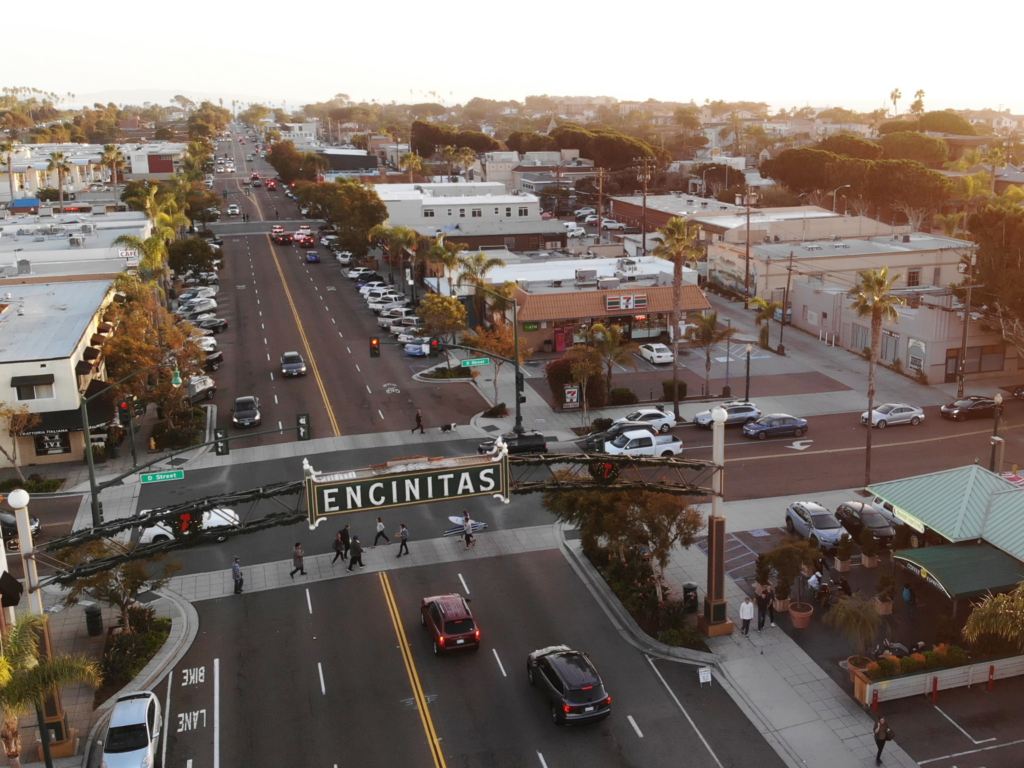
Why June Is the Perfect Time to Visit North County
June offers a unique balance in North County San Diego. Summer energy arrives without the intense crowds that often peak later in July and August. Beaches are active, restaurants are buzzing, and event calendars are packed with entertainment.
Temperatures remain comfortable thanks to the Pacific Ocean, and many days feature clear sunny afternoons after cool coastal mornings. North County’s beach towns each bring their own personality:
- Del Mar offers upscale coastal charm
- Solana Beach blends art and surf culture
- Encinitas embraces wellness and laid-back living
- Carlsbad delivers family-friendly coastal energy
- Oceanside combines creativity, dining, and beach-town authenticity
Together, they create one of California’s best summer destinations.
Final Thoughts
From the San Diego County Fair in Del Mar to Pride celebrations in Oceanside, June 2026 is shaping up to be an exciting month across North County San Diego. Visitors can experience everything from live concerts and culinary festivals to beach markets, surf culture, and sunset events along the coast.
Whether you’re planning a romantic getaway, family vacation, girls’ trip, or summer staycation, North County offers an unforgettable mix of beach-town relaxation and seasonal entertainment.
June is when the North County coastline truly comes alive — and there’s no better time to experience it.

Seastar in Oceanside
Stay Near The Best That North County Has To Offer
Planning a June getaway to North County San Diego? Make the most of your trip by staying close to the area’s top beaches, events, and coastal attractions with a Haustay vacation rental. From oceanfront condos in Del Mar to stylish beach retreats in Oceanside, Haustay offers professionally managed homes designed for relaxing coastal escapes. Explore available North County vacation rentals and find the perfect stay for your summer trip.
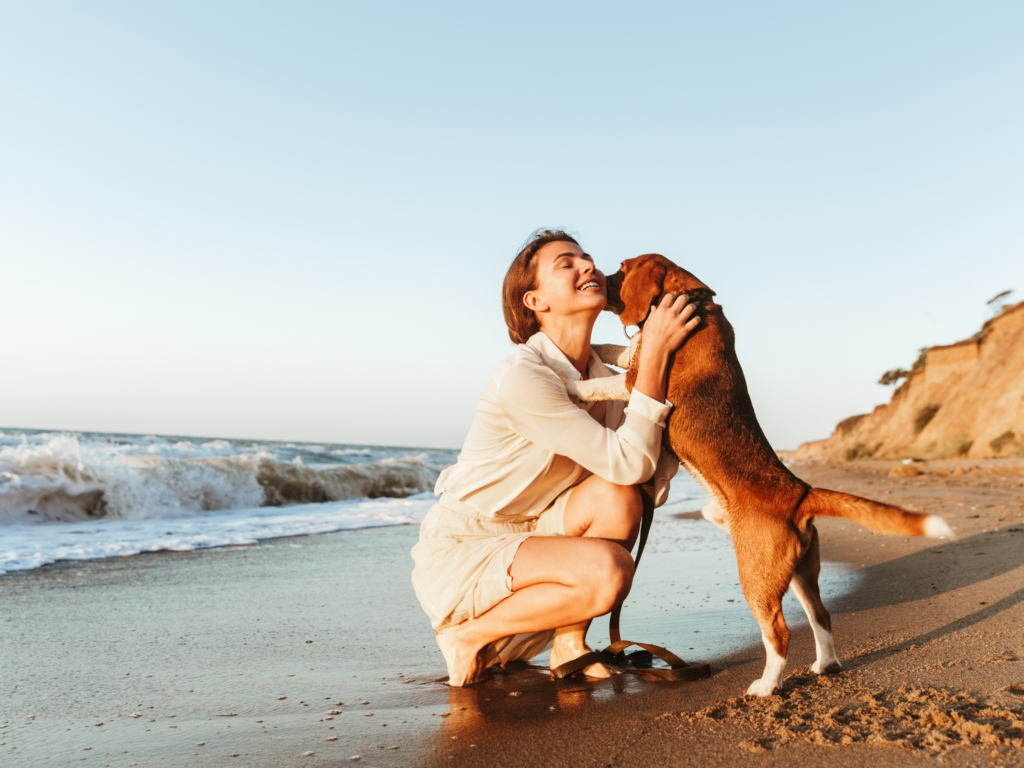
If you’re planning a beach getaway in North County San Diego, there’s no reason to leave your pup behind. This stretch of coastline is one of the most dog-friendly destinations in Southern California, offering everything from off-leash beaches to scenic coastal trails and pet-welcoming communities.
Whether you’re staying in Carlsbad, Encinitas, Del Mar, or Oceanside, here’s your complete guide to the best pet-friendly beaches in North County San Diego—plus tips to make your trip seamless and enjoyable for both you and your dog.
🏖 1. Del Mar Dog Beach (North Beach)
📍 Del Mar
This is one of the most popular and beloved dog beaches in all of San Diego County—and for good reason.
Why it’s great:
- Off-leash friendly (seasonal)
- Wide sandy beach with plenty of room to roam
- A social, dog-loving atmosphere
Rules to know:
- Off-leash allowed: September through early June
- Summer (June–September): Dogs must be leashed
💡 Tip: Go early in the morning or near sunset for the best experience.
🌊 2. Cardiff State Beach (Restaurant Row Area)
📍 Cardiff-by-the-Sea (Encinitas)
Cardiff State Beach is a scenic coastal spot perfect for a more relaxed beach day with your pup.
Why it’s great:
- Beautiful ocean views
- Walkable coastal paths
- Close to dog-friendly restaurants and cafes
Rules:
- Dogs are allowed on leash only
- Must stay in designated areas
👉 Bonus: Grab a bite at a nearby patio restaurant after your beach walk.
🐕 3. Encinitas Beaches (Leashed Access)
📍 Encinitas
While most Encinitas beaches require dogs to be leashed, they’re still a great option for a peaceful outing.
Popular spots:
- Moonlight Beach (great amenities nearby)
- Swami’s Beach (scenic bluff views)
Rules:
- Dogs are allowed on leash before 9 AM and after 5 PM (seasonal restrictions may apply)
👉 These beaches are perfect for morning walks or sunset strolls with your dog.
🌅 4. Carlsbad State Beach (Leashed Dogs Welcome)
📍 Carlsbad
Carlsbad offers long stretches of coastline ideal for walking your dog.
Why it’s great:
- Miles of coastline
- Easy access points
- Close to Carlsbad Village shops and dining
Rules:
- Dogs must be on leash at all times
- Allowed on beach and sidewalks
👉 This is a great option if you’re staying nearby and want a quick, easy beach walk.
🐾 5. Oceanside Beaches (Leashed + Spacious)
📍 Oceanside
Oceanside beaches are dog-friendly (on leash) and tend to be a bit less crowded than other areas.
Why it’s great:
- Wide, open beaches
- Great for long walks
- More relaxed vibe
Rules:
- Dogs must be on leash
- Clean-up required (bring bags)
🌿 Bonus: Dog-Friendly Coastal Trails & Parks
Not every great outing has to be on the sand.
Top spots:
- Batiquitos Lagoon Trail (Carlsbad)
- San Elijo Lagoon (Encinitas/Cardiff)
- Coastal Rail Trail (Encinitas → Solana Beach)
These are perfect for:
- Morning walks
- Scenic views
- Less crowded environments
🧳 Tips for Visiting Dog-Friendly Beaches
To make the most of your trip, keep these tips in mind:
✔️ Bring the essentials
- Water + portable bowl
- Leash (even for off-leash areas, just in case)
- Waste bags
- Towel for sandy paws
✔️ Check local rules
Dog regulations can change seasonally, especially in summer.
✔️ Go during off-peak times
- Early morning
- Late afternoon
This helps avoid:
- Crowds
- Hot sand (important for paws!)
🏡 Where to Stay: Dog-Friendly Vacation Rentals
One of the best parts of visiting North County San Diego with your dog is finding a place where they’re just as welcome as you are.
At Haustay, we offer a selection of dog-friendly vacation rentals designed for comfort, convenience, and coastal living.
What to expect:
- Pet-friendly accommodations
- Walkable access to beaches and trails
- Outdoor spaces for relaxing with your pup
- Close proximity to dog-friendly cafes and parks
Whether you’re planning a weekend getaway or a longer stay, having a pet-friendly home base makes all the difference.
👉 Explore dog-friendly stays here.
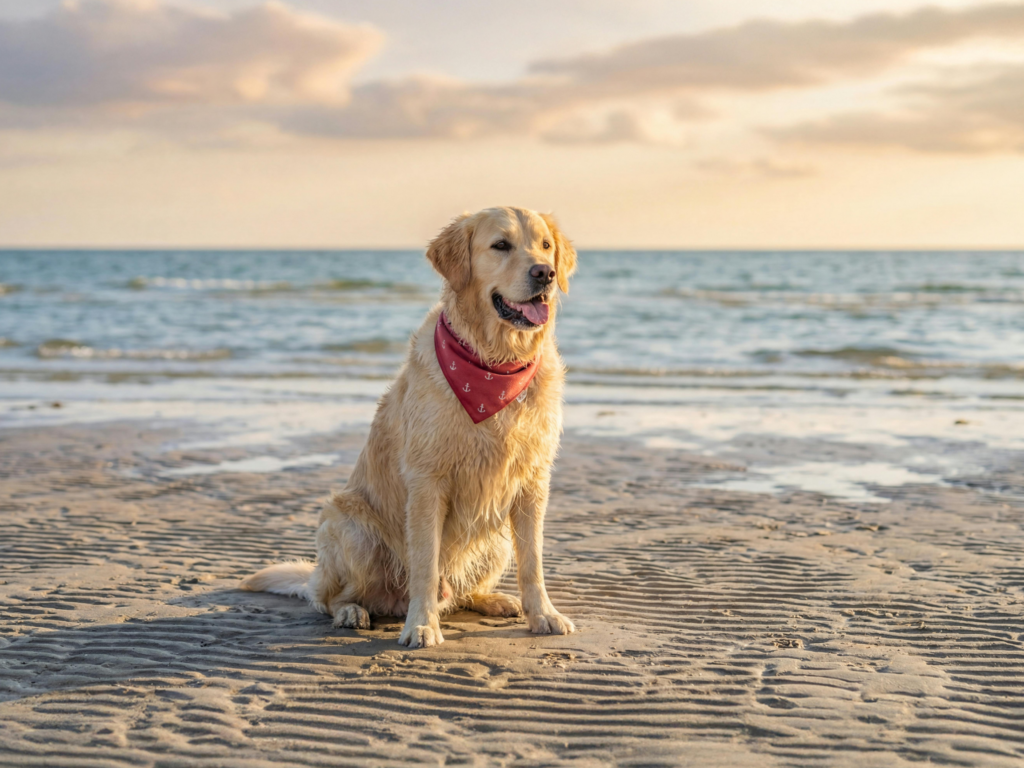
🌊 Why North County is Perfect for Traveling with Dogs
North County San Diego stands out because it offers:
- A laid-back, outdoor-focused lifestyle
- Walkable coastal towns
- Plenty of pet-friendly spaces
- Mild weather year-round
It’s a destination where you can truly relax and enjoy the experience together—no compromises needed.
🐶 Final Thoughts
From off-leash beach runs in Del Mar to sunset strolls in Carlsbad and scenic coastal trails in Encinitas, North County San Diego is a dream destination for dog owners.
With so many pet-friendly beaches and welcoming communities, it’s easy to plan a trip where your dog isn’t just included—they’re part of the experience.
So pack the leash, grab your beach gear, and get ready to explore one of Southern California’s most dog-friendly coastal regions.
We’re excited to share some wonderful news with our guests and beach lovers alike — Haustay Vacation Rentals has been awarded property management of Pacific Vistas, a charming oceanfront complex located in beautiful Carlsbad, California.
This boutique coastal property features six thoughtfully designed studio and one-bedroom suites, each offering the perfect blend of comfort, convenience, and breathtaking oceanfront surroundings. Whether you’re planning a romantic getaway, a weekend surf trip, or a peaceful coastal retreat, Pacific Vistas offers a front-row seat to Southern California’s coastal lifestyle.
Carlsbad is one of San Diego County’s most beloved beach towns, known for its scenic coastline, vibrant village atmosphere, and easy access to attractions like Legoland, world-class restaurants, and coastal hiking trails.
Introducing Pacific Vistas
Perched along the Pacific coastline, Pacific Vistas offers guests an intimate and relaxing beachfront experience. Each suite provides easy access to the sand and is ideally located near the shops, dining, and charm of Carlsbad Village.
Guests can expect the high standards of service that Haustay is known for — professionally managed homes designed to deliver exceptional guest experiences from booking to checkout.
Book Your Pacific Vista Suite
We’re thrilled to begin welcoming guests to the first available suites at Pacific Vistas. Click below to explore each unit and book your oceanfront stay.
- 🌊 Suite A – Top floor Oceanfront one bedroom
https://www.haustay.com/accommodation/pacific-vista-suite-a/ - 🌊 Suite C – Coastal One Bedroom Retreat
https://www.haustay.com/accommodation/pacific-vista-suite-c/ - 🌊 Suite D – Relaxing One Bedroom Oceanfront Suite
https://www.haustay.com/accommodation/pacific-vista-suite-d/ - 🌊 Suite E – Oceanview Studio Escape with private patio
https://www.haustay.com/accommodation/pacific-vista-suite-e/ - 🌊 Suite F – Comfortable Studio Stay with private patio
https://www.haustay.com/accommodation/pacific-vista-suite-f/ - ⏳ Suite B – Coming Soon
We’re currently preparing this suite and look forward to announcing its availability soon.
Your Next Carlsbad Getaway Starts Here
Pacific Vistas represents everything guests love about coastal travel: ocean views, beach access, and a relaxed Southern California atmosphere. Whether you’re visiting for a weekend or an extended stay, these suites offer a memorable base for exploring Carlsbad and the greater San Diego coastline.
We’re honored to welcome Pacific Vistas to the Haustay portfolio and look forward to hosting you soon.
Start planning your oceanfront escape today.
Coastal Casita in Carlsbad Village — Now Available For Purchase (Turnkey Beachside Starter or Second Home)
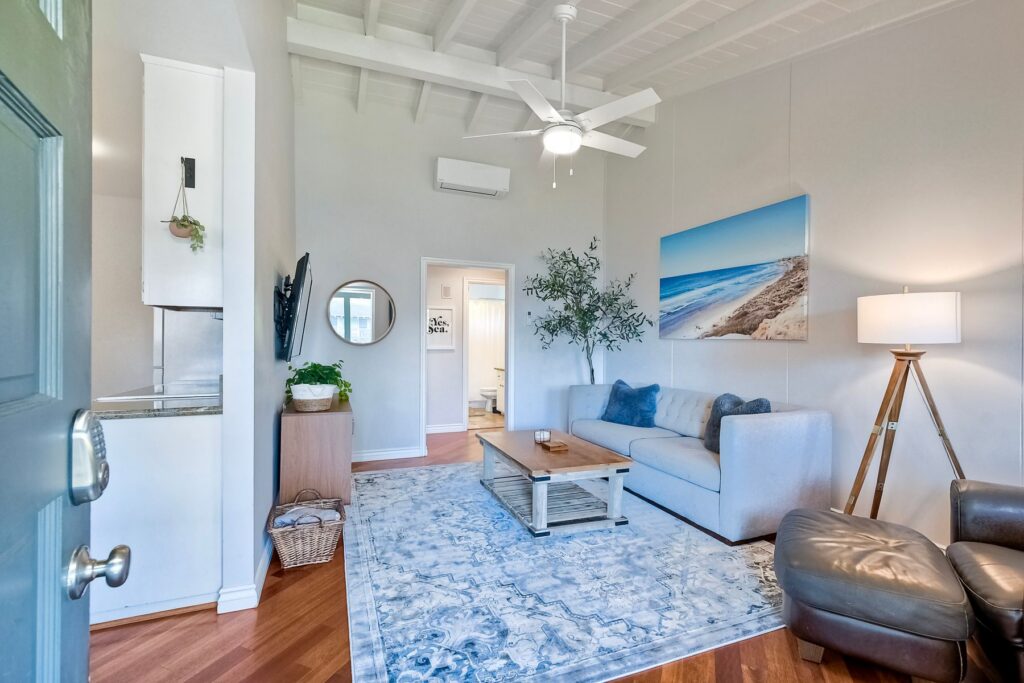
If you’ve been looking for an easy, beach-adjacent condo you can enjoy personally and keep performing as a proven short-term rental, Coastal Casita is a rare fit. This 1BR / 1BA condo sleeps up to 3 and sits one block from the beach in the heart of Carlsbad Village—the kind of location that stays in demand year-round.
Why Coastal Casita stands out
- Prime walkable location: One block to the sand, plus restaurants, shops, and village vibes right outside your door.
- Comfort + updates already handled: Includes a Beautyrest king mattress (Nov 2024), mini-split A/C in living room + bedroom (May 2024), and other thoughtful upgrades.
- Guest-ready from day one: Fully equipped kitchen, beach gear (chairs, towels, umbrella, boogie boards, sand toys), and high-speed WiFi averaging 300+ Mbps.
- Operational practicality: One reserved covered parking spot, contactless check-in via smart lock, and clear house rules that align with City of Carlsbad quiet hours.
- Important note for buyers: The condo is on the second floor with stairs (no elevator).
A vacation rental with a track record you can verify
The owners have held Coastal Casita since August 18, 2016, and the home has built real guest credibility over time:
- Airbnb: 280 reviews, 4.86 / 5
- VRBO: 79 reviews, 9.8 / 10
That history matters—because it can help shorten the “ramp-up” period many new STR owners face.
Reviews & continuity options (important if you’re buying for STR use)
If you purchase Coastal Casita and keep Haustay Vacation Rentals as the property manager, the existing review history from both Airbnb and VRBO can continue to be used.
If you purchase and self-manage, the VRBO reviews can be transferred to the buyer, while Airbnb reviews are non-transferable (per Airbnb policy).
Who this condo is perfect for
- First-time coastal owners who want a manageable, high-demand 1BR footprint
- Second-home buyers who want to stay steps from the beach, then rent it when they’re away
- Lifestyle investors looking for a proven, guest-loved home in a location that sells itself
Want details on the sale?
View the full property page here: Coastal Casita
Asking price is $899,00.00.
To discuss management continuity with Haustay, contact Nick at Haustay at 619-616-1346

North County Coastal in San Diego County is a stunning blend of surf, sun, and vibrant local culture, and its farmers markets are no exception. These markets offer not only a fantastic selection of fresh produce but also a unique glimpse into the region’s community spirit. Whether you’re a local resident or just visiting, shopping at a farmers market is a great way to connect with the area’s agricultural roots, support local farmers, and discover fresh, seasonal products.
In this blog post, we’ll walk you through the schedule of all the North County Coastal farmers markets, so you can plan your visit accordingly. From Oceanside to Del Mar, there’s a market nearly every day of the week, each with its own unique offerings.
1. Oceanside Farmers Market
- When: Thursdays, 9:00 AM – 1:00 PM
- Where: 300 N Coast Hwy, Oceanside, CA
- What to Expect: The Oceanside Farmers Market is a bustling mid-week market that has become a favorite for locals and tourists alike. It features over 60 vendors, offering a wide range of fresh fruits and vegetables, artisan goods, flowers, local honey, and prepared food. The market is located in a prime spot near the beach, so you can easily make a day of it, enjoying the fresh ocean air while shopping for delicious treats.
2. Carlsbad Village Farmers Market
- When: Wednesdays, 3:00 PM – 7:00 PM
- Where: 298 Carlsbad Village Dr, Carlsbad, CA
- What to Expect: A popular market for after-work shoppers, the Carlsbad Village Farmers Market is located in the heart of the charming Carlsbad Village. With over 40 vendors, you’ll find a variety of seasonal produce, as well as local meats, fish, dairy, and bakery items. The market also has a wonderful selection of crafts and flowers. It’s a great spot for an evening stroll with the family or grabbing a fresh, farm-to-table meal.
3. Leucadia Farmers Market
- When: Sundays, 10:00 AM – 2:00 PM
- Where: 455 N Coast Hwy 101, Encinitas, CA
- What to Expect: The Leucadia Farmers Market is another great market located in the Encinitas area, just a short distance from the beach. Smaller than its Encinitas counterpart but equally charming, this market offers a wide selection of local produce, craft items, and prepared food. It’s the perfect market for those who want to explore more boutique vendors and enjoy a cozy, community-oriented atmosphere. Don’t forget to stop by the local coffee vendors to grab a pick-me-up as you shop!
4. Solana Beach Farmers Market
- When: Sundays, 1:00 PM – 5:00 PM
- Where: 312 S Cedros Ave, Solana Beach, CA
- What to Expect: Set in the artsy Cedros Design District, the Solana Beach Farmers Market offers a wonderful mix of organic produce, gourmet food, and local arts and crafts. It’s a great place to shop for everything from fresh produce to gourmet cheeses, olive oils, and specialty baked goods. You’ll find local food trucks and street vendors, making this market a perfect stop for a Sunday afternoon meal or snack.
5. Del Mar Farmers Market
- When: Saturdays, 1:00 PM – 4:00 PM
- Where: 1050 Camino Del Mar, Del Mar, CA
- What to Expect: The Del Mar Farmers Market, while on the smaller side, is an absolute gem. Set against the backdrop of the upscale, beachside community of Del Mar, the market offers an excellent selection of fresh fruits, vegetables, meats, cheeses, and artisanal products. It’s the ideal market for those looking for high-quality, locally sourced goods while soaking in the coastal beauty. Don’t miss out on the fresh seafood and ready-to-eat meals available at various food stalls.
6. Vista Farmers Market
- When: Saturdays, 8:00 AM – 1:00 PM
- Where: 325 S Melrose Dr, Vista, CA
- What to Expect: While a bit inland, the Vista Farmers Market is worth the drive for its large selection of farm-fresh produce, local meats, cheeses, and fresh flowers. This market has a reputation for being family-friendly, with plenty of activities for the kids and lots of food options for a leisurely weekend breakfast or lunch. You’ll find a great selection of seasonal fruits, and the vendors often feature unique, hard-to-find items from nearby farms.
Why Visit a North County Coastal Farmers Market?
Farmers markets are a fantastic way to support local farmers and businesses while enjoying a relaxed and personal shopping experience. Here are some reasons to consider visiting these vibrant markets:
- Fresh, Seasonal Produce: No matter which market you visit, you’re bound to find fresh, locally grown fruits and vegetables that are in-season, giving you the best flavor and nutritional value.
- Unique Artisanal Goods: From handmade soaps and candles to jewelry and home decor, many farmers markets feature local artisans selling their handcrafted goods.
- Sustainability: By shopping at farmers markets, you’re supporting sustainable farming practices that prioritize the environment and local economies.
- Community Vibes: Farmers markets provide a wonderful opportunity to interact with your local community, meet the farmers who grow your food, and enjoy a laid-back atmosphere.
🛫 Make It Part of Your North County Stay
Farmer’s markets are a perfect weekend outing if you’re staying in one of Haustay’s rentals — from picking up fresh ingredients for a beach picnic to enjoying a relaxed morning exploring local culture, there’s always something new to discover.
Conclusion
From Oceanside to Del Mar, North County Coastal’s farmers markets offer a variety of fresh, local products and a warm, welcoming environment. Each market has its own personality and charm, so you’ll find something new every time you visit. Make it a weekend tradition to check out these markets and experience the bounty of San Diego County’s coastal communities.

February in San Diego is one of the most underrated times to visit. With mild coastal weather, fewer crowds, and a packed calendar of unique events, it’s the perfect month for travelers who want to experience the city like a local. From quirky runs and cultural celebrations to family-friendly theme park weekends and nature festivals, February offers something for every kind of visitor.
If you’re planning a winter getaway, here are some of the most fun and can’t-miss events happening in San Diego this February.
🏃♀️ The Kook Run (Early February)
If you want to kick off February with a truly San Diego experience, The Kook Run is it.
This iconic coastal run takes place in Encinitas, near the famous Kook statue overlooking the ocean. Participants often embrace the laid-back, surf-inspired spirit of the event. The run typically includes multiple distance options, making it approachable for both serious runners and casual participants.
Why it’s fun:
-
Scenic oceanfront route
-
Relaxed, beachy vibe
-
Great energy from locals and visitors alike
Even if you’re not running, it’s a fun event to watch and adds lively energy to the coast in February 8, 2026.

Balboa Park
🖼️ San Diego Museum Month (All February)
One of the best reasons to visit San Diego in February is San Diego Museum Month.
Throughout the month, visitors can access dozens of museums across the county with a special Museum Month pass. Participating museums often include favorites in Balboa Park, plus cultural institutions, science centers, and family-friendly museums throughout San Diego.
Why it’s a February favorite:
-
Excellent value for visitors
-
Perfect for cooler mornings or overcast days
-
Great for families, couples, and culture lovers
Museum Month is an easy way to balance beach time with arts and culture during your stay.
🎭 Mardi Gras in the Gaslamp Quarter (Mid-February)
Looking for nightlife and celebration? Mardi Gras in the Gaslamp Quarter brings New Orleans–style fun to downtown San Diego.
Expect:
-
Beads, costumes, and festive décor
-
Live music and DJs
-
Special menus and themed cocktails at participating bars and restaurants
This is a great option for adults planning a friends’ getaway or couples’ weekend, especially if your February trip includes Valentine’s Day celebrations.
🥷 LEGO® NINJAGO® Weekends at LEGOLAND California (Select February Weekends)
February is a fantastic month for families visiting San Diego—especially with LEGO® NINJAGO® Weekends at LEGOLAND California in Carlsbad.
During select weekends, the park transforms with:
-
NINJAGO-themed shows and entertainment
-
Character meet-and-greets
-
Special activities and interactive experiences
It’s a perfect excuse to visit LEGOLAND during a less crowded time of year while giving kids a themed experience they’ll remember long after the trip.
Great for: families with elementary-age kids and LEGO fans.
🐦 San Diego Bird Festival (Late February)
Nature lovers won’t want to miss the San Diego Bird Festival, typically held in late February.
This well-known festival celebrates the region’s incredible bird diversity and often includes:
-
Guided bird walks and hikes
-
Wildlife talks and presentations
-
Coastal, wetland, and lagoon excursions
San Diego’s varied habitats make it one of the best birding destinations in the country, and February is peak season for spotting migratory species.
Perfect for: outdoor enthusiasts, photographers, and anyone who loves nature and coastal scenery.
💕 Valentine’s Day Events & Specials
February also means Valentine’s Day, and San Diego delivers plenty of ways to celebrate—whether you’re traveling with a partner, friends, or family.
You’ll find:
-
Wine tastings and cocktail events
-
Sunset experiences along the coast
-
Galentine’s celebrations and themed brunches
Many visitors plan February trips specifically around Valentine’s Day, pairing romantic outings with beach walks and cozy evenings.
🌊 Whale Watching Season Is in Full Swing
While not a single event, whale watching is one of the biggest seasonal highlights of February in San Diego.
Gray whales migrate along the coast during winter, and February is often peak viewing time. Tours depart regularly from San Diego harbors, offering unforgettable ocean experiences for all ages.
This is an easy add-on to any February itinerary and a true Southern California classic.

☀️ Why February Is a Great Time to Visit San Diego
Beyond specific events, February shines because of its overall vibe:
-
Mild temperatures perfect for exploring
-
Less crowded beaches and attractions
-
Easy access to outdoor dining, coastal walks, and local neighborhoods
It’s a month that balances energy and relaxation beautifully.
🏡 Make It a February Getaway with Haustay
Whether you’re in town for a festival, museum hopping, a family LEGOLAND trip, or a romantic weekend, staying in a Haustay vacation rental lets you experience San Diego comfortably and conveniently.
Enjoy:
-
Space to relax between events
-
Walkable access to beaches, dining, and local attractions
-
A true home base for your February adventures
February is ideal for slowing down, soaking up sunshine, and enjoying everything San Diego has to offer—without the summer rush.
✨ Final Thoughts
From the quirky charm of the Kook Run and the cultural value of Museum Month to Mardi Gras celebrations, family-friendly LEGO weekends, and the San Diego Bird Festival, February is packed with fun, unique events that showcase the city’s personality.
If you’re planning a winter escape, February in San Diego delivers sunshine, culture, and unforgettable experiences—making it one of the best months to visit.